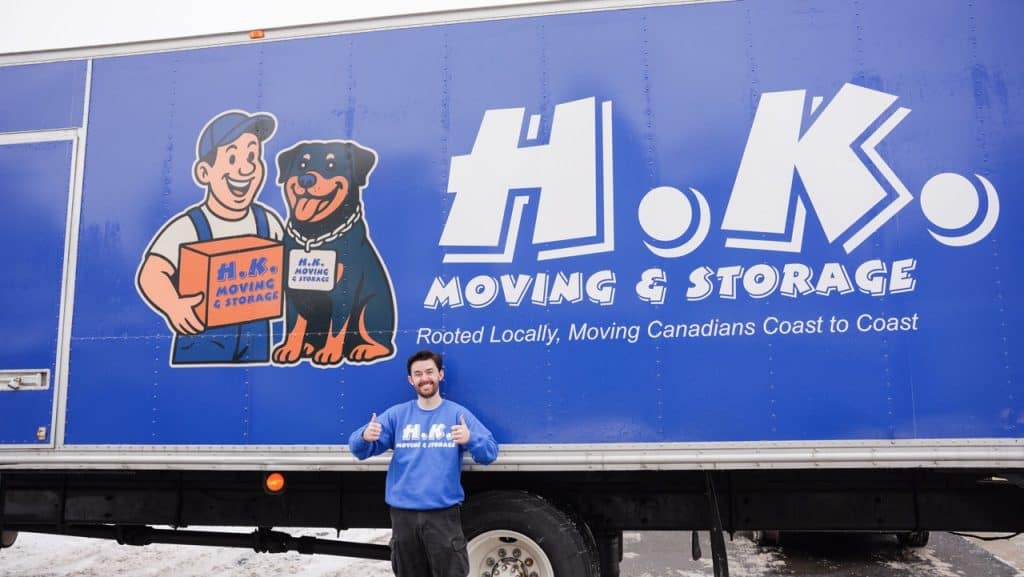
A long-distance move’s costs depend on a lot of factors.
Making a move can cost a lot of money. So, it is necessary to prepare and do an inquiry of different aspects that can be involved in the process. But you don’t need to worry, before calculating and estimating the costs, let us first give you a clearer view of the factors that can influence the cost of your entire move.
What Influences Long-Distance Move Costs?
Shipment Size
Shipment size – based on the weight and volume of your belongings – plays a big role in costs. These heavier and more bulky pieces necessitate bigger trucks, more manpower, and increased fuel, increasing the total cost. For instance, the expense of moving a fully-furnished three-bedroom home will be higher than that of a studio apartment.
Minimizing your shipment size is an easy way to save. Moving is expensive, so decluttering saves you money — and makes your life easier. Offloading unused goods by either selling, donating or recycling can make a big impact! Bigger shipments might require multiple trips or even specialized trucks, driving up costs. A moving cost calculator weighted by shipment size can give a useful estimate.
Travel Distance
Distance is at the core of moving costs. The further you’re moving, the more gas and truck depreciation they’re incurring — so they’ll charge more for that naturally. For instance, cross-country moves typically include mileage fees and could have tolls or ferry fees, increasing the base cost.
Routing routes efficiently can reduce dead head miles and costs. Skipping rush hour and opting for the most direct, toll-free routes when available can assist. Interstate moves are known for their complicated logistics and subsequent higher fees than regional moves.
Service Level
The degree of service you select will have a major impact on pricing. Full-service movers — those who pack, load, transport, unload, and unpack for you — are pricier than DIY. For example, renting a truck and doing the move yourself can be less expensive, but it’s a big hassle.
Other optional services like packing, unpacking, and furniture assembly are individually priced. Consider your budget and individual requirements. A hybrid choice, in which you pack yourself but hire movers to transport the goods, falls in between in terms of both price and convenience.
Extra Charges
Hidden charges can escalate rapidly. Elevators, long carries or limited access may need additional labor or equipment, which drives up the price. Specialty items such as pianos or antiques typically require professional care and therefore incur an extra cost.
Understanding Distance-Based Pricing
Distance-based pricing: moving cost is very dependent on the company’s pricing structures. Usually, that means figuring out how expensive it is to drive that many miles, as this influences the costs for fuel, time, and tolls. These costs are more pronounced over longer distances, so it’s important for consumers to understand how pricing works in different mileage ranges.
Pricing Tiers and Zones
Distance-based pricing commonly breaks down mileage into zones or tiers, with different prices for short and long moves. The table below illustrates a common example of such pricing:
| Distance Range (km) | Per-Mile Cost (USD) | Additional Fees (e.g., Toll, Labor) |
|---|---|---|
| 0–160 | $1.50 | Standard rates apply |
| 161–800 | $1.25 | Moderate tolls |
| 801+ | $1.00 | High fuel surcharge |
Shorter distances sometimes come with higher per-mile fees because of fixed costs, whereas longer distance moves tend to be lower in rate but more expensive overall.
Fuel Surcharges and Travel Fees
Fuel surcharges are a major factor, particularly on moves over 800 km. For example, a move across such a distance could have fuel costs accounting for 20% of the total price. Travel time fees, which include employee hours, increase with distance. These charges account for both driving time as well as the complexities of loading and unloading.
Online Tools for Cost Estimation
Online calculators are a lifesaver in determining these costs. By entering information such as origin and destination, amount of items and moving dates, users can receive approximate quotes. For instance, a 960 kilometer move calls for a medium truck at $2,500 in the summer months, with discounted prices for winter moves.
Additional Factors and Misconceptions
Beyond distance, quantity of items affects labor and truck size. If you move during a peak season, like summer, you’re likely to have to pay higher prices, but if you move in the off-peak seasons, such as winter, you could save. Specific inventories and knowing your estimated types (binding vs non-binding) can save you from surprises, as final costs typically are 30%+ over original quotes.
The DIY Moving Truck Cost
DIY Moving Truck Cost While a DIY moving truck might appear to be the most cost-effective option, the overall cost depends on a number of factors beyond the rental price. These are fuel, mileage fees, insurance, and other add-ons. Knowing these costs in detail can assist movers plan a realistic budget and dodge surprise expenses.
Rental Rates and Truck Sizes
Rental rates for moving trucks fluctuate widely depending on both the size of the truck and the distance of the move. They generally have a few different truck sizes with prices going up for bigger trucks or one-ways. Below is a table summarizing common costs:
| Truck Size | Short Distance (10 miles) | Medium Distance (100 miles) | Long Distance (500 miles) | Cross-Country (3,000 miles) |
|---|---|---|---|---|
| Small (10 ft) | $48 | $379 | $981 | $4,194 |
| Medium (15 ft) | $58 | $420 | $1,050 | $4,500 |
| Large (20 ft) | $78 | $460 | $1,200 | $4,800 |
Additional one-ways can run in the hundreds of dollars, especially for cross-country moves, and therefore can heavily influence the final price.
Fuel Costs and Mileage Fees
Fuel is another big factor. A 10-mile move might add just $4 in gas, but a 3,000-mile trip could run as high as $1,092. Per-kilometer (or per-mile) fees can be just as sneaky — quickly racking up. These expenses need to be well accounted for in the budget, particularly on longer hauls.
Insurance and Extra Costs
Insurance is a must, as well. Coverage options vary from basic liability to full coverage and are priced according to the provider. DIY movers need to consider fees such as tow/dolly fees if they’re moving a second vehicle, and convenient refueling services that rental companies provide.
Planning the Rental Period
Late return or extended rental fees can add up fast. Thoughtful scheduling and returning the truck on time is key to avoiding these penalties.
How to Reduce Your Expenses
To save money on a long-distance move, you need to be strategic. Here are actionable tips to reduce your costs and still have a seamless transition.
- Think About a Hybrid Move . Splitting the difference between DIY and professional can save you a boatload. Packing up yourself and calling in professionals just for the move can save time and money.Concentrate on boxes of non-fragile or smaller items and leave the breakables and large furniture to the professionals. This strikes a nice balance between being affordable and being convenient, and thus makes good use of your time and money while still protecting your possessions.
- Get More than One Quote Getting estimates from all moving companies or truck rentals lets you find a good price. Look out for itemized expenses, such as coverage and surcharges. For example, certain providers will sneak in extra fees for fuel or heavy items.By comparing three quotes you guarantee yourself the best deal possible, and you won’t be paying too much for something you don’t need. Just make sure you read reviews to verify the reliability and value.
- Be Smart About Scheduling. When you move matters a lot cost-wise. If you can move during the off season, usually October – May, you’ll save a ton of money. Moves midweek are typically less expensive than weekends, and January is usually the cheapest month of all.For instance, moving on a Tuesday in February is probably going to be significantly cheaper than doing it on a Saturday in July. Be flexible with your dates to capitalize on lower demand and rates.
- Anything you can do to minimize what you have to ship will directly reduce costs. Dealing with donations, sales or recycling of unused items not only reduces your costs but it makes unpacking a breeze!For example, junking up old furniture or appliances cuts down on your truck space and labor. Decluttering is sustainable, which is good for your wallet and the planet.
- Plan Ahead The earlier you plan, the better! Make a moving checklist, including things such as booking a truck, transferring utilities and changing your address.Getting a head start ensures you can lock in discounts and avoid surprise fees, like rush services or extra labor.
The Unseen Costs of Moving
There are just more costs associated with moving long distances than you realize. Aside from the obvious expense of moving service, there are unseen expenses that can pile up quickly and catch people off guard. Being aware of these expenses upfront can help you budget accordingly and avoid sticker shock.
- Packing supplies and services. Packing supplies like boxes, tape and bubble wrap might appear insignificant, but they add up quickly. Professional packing will run you an additional 5-9% of your moving bill. For instance, a $5,000 move can translate into an extra $250-$450 just for packing.
- Coverage for your belongings, protection against loss. Yes, movers have basic liability coverage, but it often doesn’t come close to covering loss or damage. Opting up for full valuation coverage provides sufficient protection, but incurs an additional charge. This is important for protecting valuables, especially when moving long-distance.
- Utility Deposits & Set-Up Fees. Getting settled into a new place almost always means utility deposits, particularly electric, water or internet. These deposits can quickly run into the hundreds of dollars, depending on your local providers. Getting utilities disconnected at the former home can come with fees.
- Moving-Related Travel Expenses Long-distance moves often include travel expenses, fuel, food, and hotels. For families in their own cars, these costs can rocket, particularly for multi-day trips. Accounting for these expenses makes for an easier ride.
- Tipping your movers. Tipping movers is par for the course and indicative of service. Though optional, this expense can surprise people. A good rule of thumb is $20 a worker for half day moves, or $40 for an entire day.
- Parking and long carry fees. Urban locations (where parking is difficult) may add parking permit fees or parking tickets. Did you know movers will often charge long carry fees of $90-$120 per 75 feet?
- Essentials for restocking and cleaning services Post-move, restocking your pantry and household essentials can stack up fast. Cleaning or minor repairs at the old place might be necessary.
- Weekend/Last-Minute Moves. Weekend demand creates premium pricing. Likewise, a last minute move cancellation can cost $300 or more, depending on the company.
Avoiding Estimation Pitfalls
For example, if you’re moving long-distance, bad estimates can become expensive and logistically problematic. Avoiding these pitfalls requires diligence, particularly when soliciting and evaluating estimates from movers.
One important tactic is to get in-depth, written estimates from several companies. Just by comparing these estimates, you make sure you’re getting a reputable service at a reasonable price. One of the biggest mistakes is selecting a mover by the cheapest price, which typically equates to inferior services or surprise fees.
For instance, an obviously cheap rate from a company may sound great, but they may exclude vital services such as packing or fuel surcharges, which can later cost you big. Try to ask for estimates at least six months prior to when you plan to move. That head start gives you the time to investigate and shop around.
Just as important, make sure nothing is missing from the estimate. Certain movers, for example, give you a flat quote that doesn’t account for things like extra charges for long carry distances, parking permits, or delicate items.
To sidestep surprises, demand an itemized breakdown that addresses factors such as mileage, shipment size, packing supplies and special services. For example, if your new home is in a low street access area, verify that the estimate accounts for any additional shuttle fees.
Don’t lie with the details – you’ll get stung in the bill. Make sure the estimate matches the distance of your move, the amount or heaviness of your items, and type of service. Stay away from verbal agreements or fuzzy estimates, which aren’t accountable. Instead, demand signed contracts that explicitly state all of the terms.
Think about timing your transition. If you can schedule in a non-peak season – late fall or winter, for example – you’ll pay less and have access to the best movers, who are relatively unbusy.
Avoid seasonal peaks like summer and the holidays, when demand surges and prices shoot up. Good planning, such as packaging delicate items and tackling logistical issues like parking, can reduce unforeseen expenses even more.
Frequently Asked Questions
What factors affect the cost of a long-distance move?
It varies based on distance, total weight or volume of items, moving service type, and extra fees such as packing, storage, or insurance. Knowing these variables allows you to plan better.
How does distance influence moving costs?
The greater the distance, the more you’ll pay to ship it. Moving companies determine this by kilometers/miles, fuel and time to deliver.
Are DIY moving trucks cheaper than hiring movers?
DIY trucks can save you money up front, but think about fuel, insurance, and your own time loading and driving. Professional movers may be more cost effective for bigger moves.
How can I reduce my moving expenses?
Downsize prior to the move, shop multiple moving quotes and self-pack to save money. BOOK OFF-SEASON – This is a no-brainer.
What are hidden costs in long-distance moves?
Fuel surcharges, insurance, storage fees, and unexpected delays are just some of the hidden costs. Request a comprehensive, itemized estimate so you’re not caught off guard.
Can I trust online moving cost calculators?
They give ballpark figures but can overlook certain considerations such as additional services or special requirements. Use them as a benchmark and check with moving companies.
How do I get an accurate moving cost estimate?
Ask moving companies for a detailed, in-home or virtual survey. This guarantees they inventory your items and give you an upfront, precise estimate.
Get a Clear Quote for Your Long-Distance Move
At H.K. Movers, we offer transparent pricing and expert service to help you plan your move with confidence. Whether you’re relocating from Brampton, Mississauga, Toronto, Vaughan, Etobicoke, or nearby areas, our team provides reliable long-distance moving solutions tailored to your needs.
From residential and commercial moves to careful packing, storage, and piano transport, we take the stress out of every step. Call H.K. Movers at (416) 524-6704 for a free, no-obligation quote — and discover affordable, dependable moving backed by years of experience.