Most people hire movers at least occasionally, and often more frequently than that. This means that choosing a mover is a process in which there are many possible choices, but very few of them have a history of moving your belongings safely and professionally.
With the vast number of companies available for hiring, it is almost impossible to know who will show up on time, communicate professionally, and take good care of your belongings.
The purpose of this article is to provide an outline of the elements that matter most when comparing potential movers, so you can make an informed decision as calmly and confidently as possible.
What “Reliable” Really Means in Real Life
Before comparing quotes or availability, it helps to define what reliability actually looks like for your move. It’s not just about showing up on time—it’s about how well expectations are set and met.
A dependable mover explains their process clearly, answers questions without rushing, and flags potential issues early. These small signals often matter more than flashy websites or ultra-low pricing.
If you’ve ever wondered how to pick a moving company in Toronto without second-guessing yourself, this clarity is where it starts.
Identify Trustworthy Movers
Trustworthy movers are consistent, transparent, and clear about how they operate. They answer questions directly and don’t avoid details about pricing, timing, or responsibility.Small signals—like prompt replies and clear explanations—often reveal more than bold claims.
Assess Communication Responsiveness
How a mover communicates before booking usually reflects how they’ll handle issues later. Slow or vague responses can lead to confusion when timelines tighten. Clear, timely communication helps set realistic expectations from the start.
Essential Features for Toronto Movers
Reliable movers typically offer structured scheduling, clear pricing explanations, and proper handling procedures. These features help prevent delays and reduce uncertainty, especially in busy urban environments.
Features of Certified Movers
Certification often reflects adherence to basic industry standards, including safety practices and accountability. While it’s not a guarantee, it adds an extra layer of reassurance when comparing options.
First Impressions Count
Initial interactions can reveal a lot about how a mover operates. Clear estimates, organized communication, and respectful tone are good indicators. Disorganization early on often leads to complications later.
Seek Value Over Price
The lowest price isn’t always the best option. Value comes from reliability, clarity, and reduced risk—not just a smaller number. Balancing cost with service quality often leads to smoother moves.
Research First, Then Narrow Your Options
Once you know what matters most to you, research becomes more focused and less frustrating. Instead of skimming star ratings, pay attention to patterns in feedback.
Look for consistency in comments about communication, care with belongings, and how problems were handled. One bad review isn’t always a red flag—but repeated complaints about the same issue usually are.
This step helps you create a short list of reliable movers in the area that are actually worth contacting.
Conduct Thorough Research
Research helps you filter out unreliable options before reaching out. It also gives you better questions to ask when comparing services. A little effort upfront can prevent major issues later.
Comparing Local Movers
Focus on companies with a consistent track record rather than flashy promises. Look for transparency in services, pricing, and availability. This makes comparisons more meaningful and less overwhelming.
Compare Moving Costs
Costs vary based on time, access, and services included. Comparing quotes only works when you understand what each one covers. Asking follow-up questions helps avoid false comparisons.
Using Reviews Effectively
Online reviews provide insight into real experiences, especially around communication and reliability. Focus on detailed feedback rather than quick ratings.
What Feedback Reveals
Patterns matter more than isolated complaints. Repeated comments about the same issue often signal a real concern. Balanced feedback usually offers the most accurate picture.
Why Ratings Alone Aren’t Enough
High ratings don’t always tell the full story. The context behind reviews matters just as much as the score itself. Pay attention to how problems were handled, not just whether they existed.
Seek Referrals from Others
Referrals from friends, family, or building managers often provide honest insight. These recommendations usually come with context that reviews can’t capture.
When Referrals Aren’t Available
If referrals aren’t available, rely on consistent online information and clear communication. Transparency can help bridge the gap when personal recommendations are missing.
Watch for Early Red Flags
Some problems are easier to spot early—if you know what to look for. Red flags often show up long before moving day, usually during quoting, communication, or paperwork. Paying attention at this stage can save you from unnecessary stress later.
Early warning signs don’t always mean a company is bad—but they do signal areas that deserve closer attention before you commit.
Common red flags to watch for include:
- Pressure to book quickly without giving you time to review details
- Unclear or missing paperwork, especially around insurance or terms
- Quotes that seem unusually low compared to others without explanation
- Poor communication early on, such as delayed replies or incomplete responses
Spotting these issues early allows you to pause, ask better questions, or continue comparing options—before small concerns turn into bigger problems on moving day. Pressure to book quickly without clear documentation can be a warning sign.
Recognize Warning Signs
Vague answers, inconsistent pricing, or pressure to commit quickly are common warning signs. Trust your instincts when something doesn’t feel right.
Avoid Rogue Operators
Rogue operators often lack documentation or avoid written agreements. Steering clear of these risks protects both your belongings and your timeline.
Confirm Licensing, Insurance, and Credentials
This is one of the most important steps—and one of the most commonly skipped. Credentials protect you if something goes wrong, and legitimate companies are usually open about sharing them.
What to check before booking
- Proof of active insurance that covers damage and liability
- Proper business registration and contact details
- Clear terms provided in writing
Choosing licensed, professional and insured relocating team in Toronto residents can rely on gives you peace of mind and recourse if plans change unexpectedly.
Know Liability Coverage Details
Liability coverage determines how losses or damage are handled. Understanding these details helps you know where responsibility begins and ends. Liability coverage determines how losses or damage are handled.
Review Transit Protection Options
Transit protection explains what happens while items are being transported. Clarifying this reduces uncertainty if delays or damage occur.
Get Everything in Writing
Clear documentation protects both parties. Written details help prevent misunderstandings and last-minute disputes. If something isn’t clear, ask before moving forward.
Compare Pricing Without Guesswork
Quotes can look similar while covering very different things. Without asking follow-up questions, it’s easy to assume essentials are included when they aren’t.
Ask how time is calculated, whether travel is billed, and what situations trigger extra fees. This is especially important for condos, stairs, or long carries. Quotes can look similar while covering very different things.
Cost considerations to understand
- Hourly versus flat-rate pricing
- Charges related to elevators, parking, or access delays
- Packing materials and specialty item handling
Clear pricing now prevents stress later.
How Do Movers Charge?
Movers may charge hourly, by distance, or through flat rates. Knowing how time and extras are calculated helps you budget more accurately.
Obtain Accurate Estimates
Accurate estimates depend on clear information about your space and items. The more details provided upfront, the fewer surprises later.
Check What’s Included
Not all services are included by default. Confirming what’s covered helps prevent unexpected charges on moving day.
Clarify Services Offered
Some movers offer packing or storage support, while others focus strictly on transport. Clarifying services ensures you’re only paying for what you need.
Extra Charges to Ask About
Additional costs can come from stairs, long carries, or access delays. Discussing these early helps avoid confusion later.
Avoid Last-Minute Charges
Last-minute charges often stem from unclear expectations. Early discussions help keep pricing predictable.
Specify Contract Inclusions
Contracts should outline services, timing, and payment terms clearly. Reading carefully protects you from misunderstandings.
Smaller Local Teams vs. Larger Operations
Not every move requires the same type of provider, and choosing between a smaller local team and a larger operation can shape your entire experience. Each option comes with its own strengths, limitations, and expectations. Understanding these differences helps you focus on what actually matters for your move rather than making assumptions based on size or brand recognition. The right choice depends on your timeline, access needs, and how much flexibility you want throughout the process.
Pros of smaller local teams
They often offer flexible scheduling, direct communication, and a more personal experience.
Cons to keep in mind
Availability may be limited during peak seasons, and schedules can fill quickly. There’s no universal best choice—only what works best for your situation.
More Than Just Transport
Moving involves coordination, planning, and communication—not just transport. Understanding the full scope leads to better preparation.
Tailor Services to Your Needs
Every move is different. Tailoring services helps avoid overpaying or under-preparing. The right fit depends on access, timing, and complexity.
Who This Approach Works Best For
This approach is especially useful for people moving within the city, navigating condo or apartment rules, or balancing a move around work and family schedules. It’s also ideal for anyone who values predictability over rushing decisions.
Moves with tight timelines, limited access, or specialty items benefit the most from early research and clear communication.
Assess Potential Risks
Risk assessment helps you prepare for delays, access challenges, or item handling concerns. Awareness allows better decision-making.
Know Your Responsibilities
Some tasks—like packing personal items or securing access—fall on you. Knowing this ahead of time keeps the process smoother.
Practical Planning Tips That Reduce Stress
Small decisions made early often prevent the biggest problems later. These steps don’t take long, but they make a noticeable difference.
- Book earlier than you think you need, especially during busy months
- Confirm elevator bookings and parking access ahead of time
- Declutter before packing to reduce time and costs
- Keep essentials, documents, and valuables with you
Preparation almost always pays off.
Book Early and Stay Flexible
Booking early gives you more options and flexibility. It also reduces pressure when schedules tighten.
Ask Key Questions Before Hiring
Asking the right questions reveals how prepared and transparent a mover is. It also helps you compare options more confidently.
Locking in the Details
Confirming details early prevents misalignment later. Clear expectations reduce day-of confusion.
Timelines That Make Sense
Clear timelines help everyone stay aligned. Defined terms reduce delays and frustration.
Finalizing the Plan
Collaboration helps address last-minute concerns calmly. It ensures everyone is on the same page before moving day.
Maintain Open Communication
Open communication helps resolve issues quickly. It’s one of the biggest contributors to a smooth move.
Meet the Moving Crew
Meeting the crew helps establish clarity and rapport. A quick walkthrough ensures priorities are understood from the start.
FAQ: Questions People Often Ask Before Booking
How far in advance should I contact movers? Two to four weeks is ideal for most local moves, earlier during peak seasons.
Is an in-home or virtual estimate necessary? It’s not always required, but it improves accuracy for larger or more complex moves.
Should I be present on moving day? Yes. Being available helps resolve questions quickly and keeps things running smoothly.
Can I pack myself to save money? Absolutely, as long as items are packed securely and labeled clearly.
What’s the biggest red flag to watch for? Vague answers about pricing, insurance, or policies.
A Calm Move Starts With the Right Choice
Most moving stress doesn’t come from the move itself—it comes from uncertainty. Taking time to research, ask the right questions, and understand your options puts you in control long before the truck arrives.
If you’re beginning to compare options, a well-reviewed moving company Toronto residents trust can make the process feel far more manageable when expectations are clear from the start.
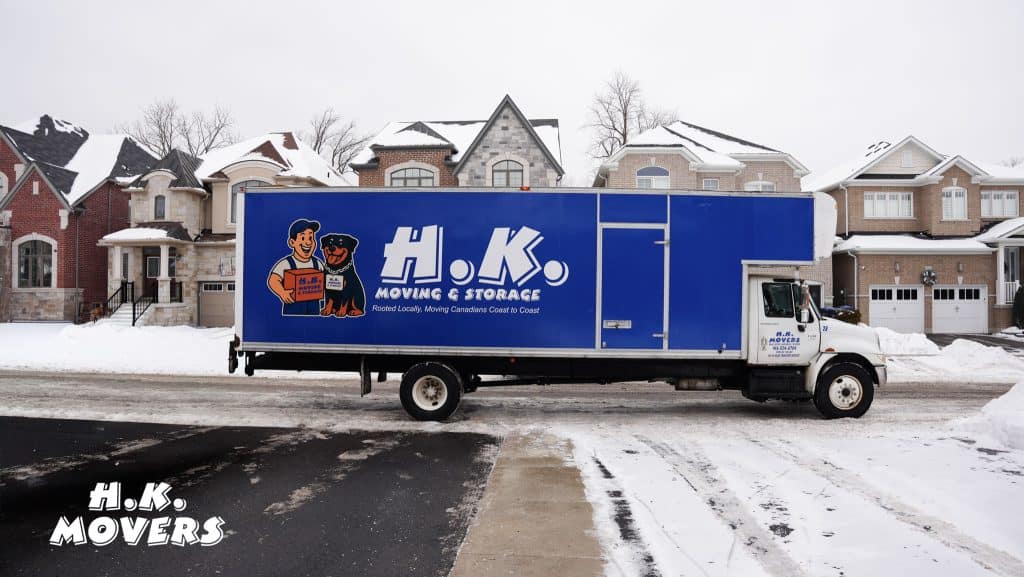
For those looking for a steady, experience-focused approach, H.K. Moving & Storage offers support built around predictability and care, not pressure. Their services include:
- Residential and commercial moving
- Local and long-distance relocations
- Packing and unpacking assistance
- Car shipping
- Short- and long-term storage solutions
They service Toronto and surrounding GTA areas. You can reach them at +1 437-828-1632. If your timeline is approaching, requesting a FREE quote early can give you clarity and flexibility—without any obligation.