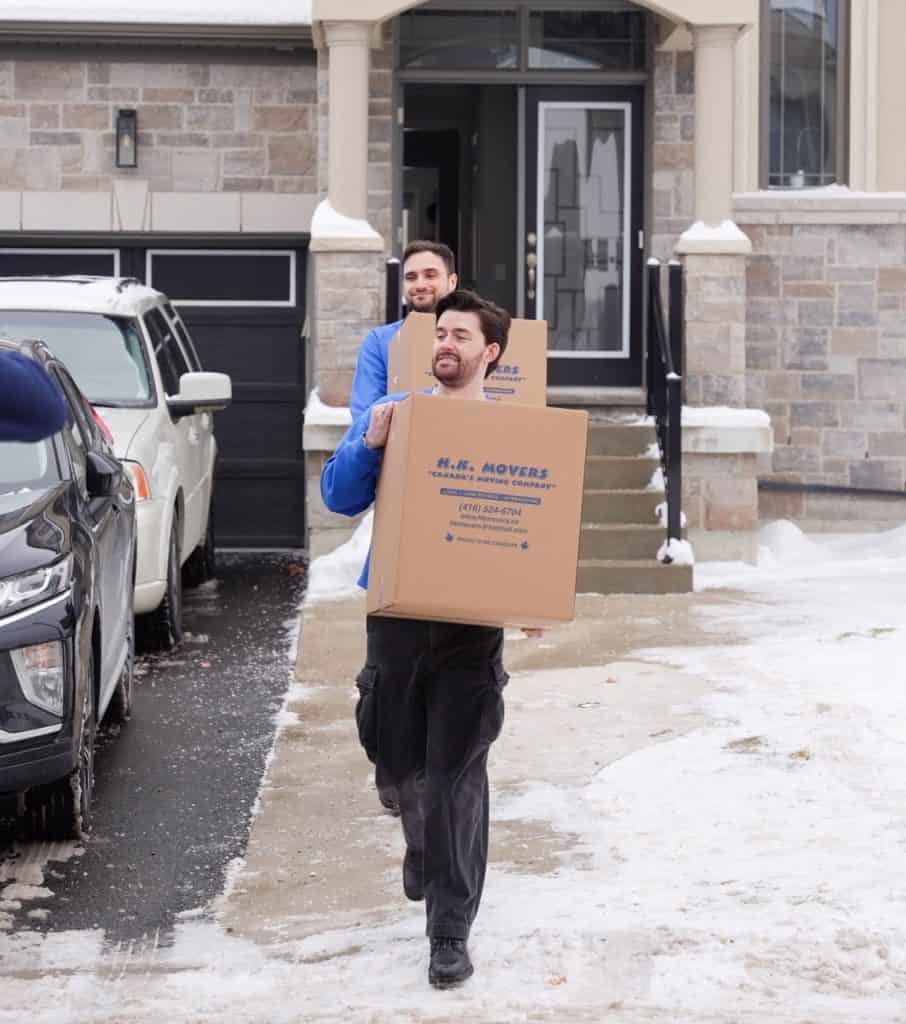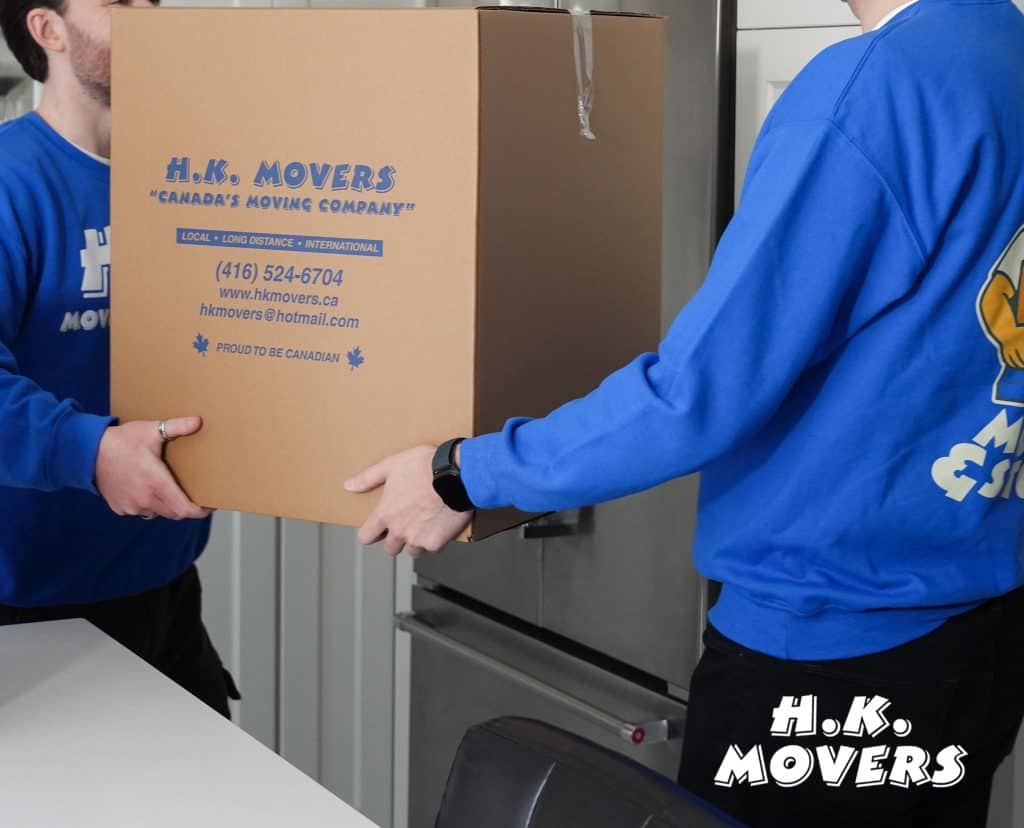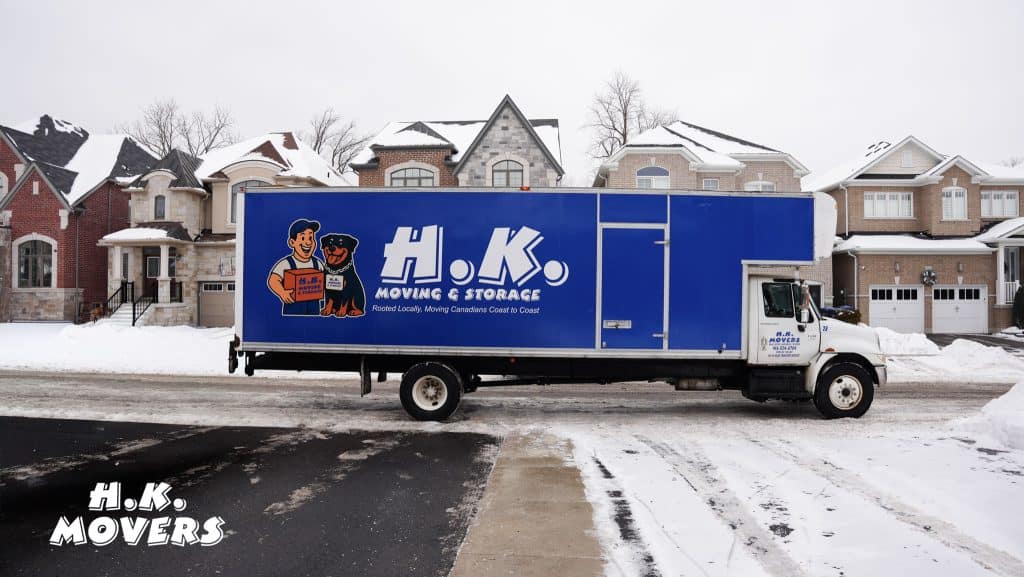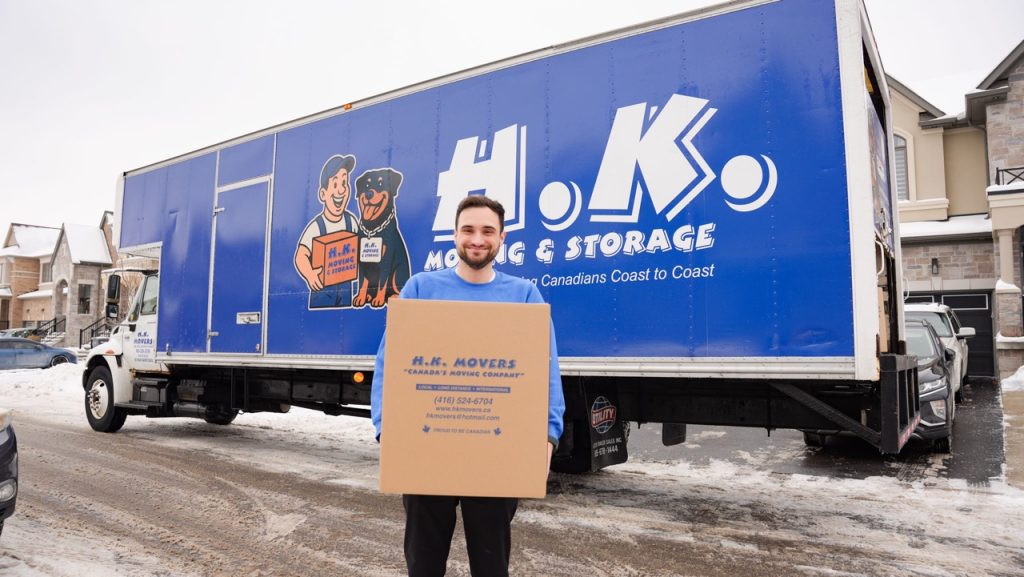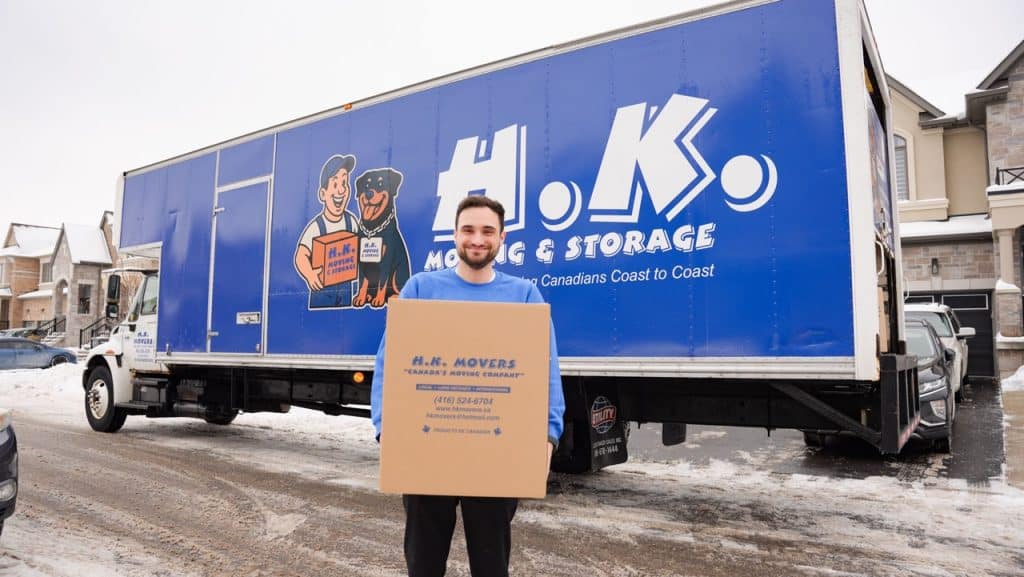
There are many times when deciding between a storage service and a moving service can be confusing. While moving to Oakville may have a time frame, condo bylaws that may limit your ability to use the building’s hallways, potential weather issues, and determining if all items need to be moved immediately or in phases, you want to make sure you understand your choices.
This article will explain how using both a storage company and a mover can work together, which situation is best for either scenario, estimated cost associated with each and help you determine which option is the best choice for your specific needs, while minimizing surprises.
What Makes Moving in Oakville More Complicated Than It Looks?
Even a well-planned move can run into small local issues that change the whole day. Knowing these ahead of time helps you choose a setup that fits your situation instead of reacting under pressure.
The goal is not to make the process sound stressful. It is to help you make better decisions before problems show up.
Weather can change your plan fast
Oakville moves can be affected by rain, slush, snow, or sudden temperature changes depending on the season. Bad weather does not always stop a move, but it can slow loading times, affect parking access, and make protecting floors and furniture more important.
This matters even more if you are moving valuable wood furniture, electronics, or boxed items that should not sit outside for long. A move with indoor staging or temporary storage can sometimes make the day smoother.
Condo and apartment rules can limit flexibility
If you are moving into or out of a condo, you may need to reserve the elevator, follow move-in windows, provide insurance paperwork, or use a specific loading zone. Some buildings are strict about timing, which means even a small delay can affect the rest of the schedule.
That is one reason some people look into short-term storage or split-day moving plans instead of trying to force everything into one tight window.
For moves involving condos, townhomes, or limited street access, checking Oakville parking permits and fees can make planning much easier.
Timing issues between properties are common
Not every move is a direct same-day transfer. Sometimes the old place must be empty before the new one is ready. Sometimes a closing date shifts. Sometimes renovation work runs late.
In those cases, combining moving services with storage can be more practical than rushing everything into one day and hoping it works out.
Costs are often shaped by access, not just distance
Many people assume price is mostly about how far the truck travels. In reality, stairs, long carrying distances, building restrictions, packing needs, and schedule timing can all affect the final cost.
That is why comparing options based only on the base price can be misleading.
A Smarter Way to Match the Move to Your Situation
The right solution depends on your timeline, property type, and how much flexibility you need. Not every move needs storage, but many benefit from it.
This is where planning becomes less about guessing and more about choosing the setup that solves the real problem.
When a standard same-day move makes sense
A same-day move is usually best when:
- Your move-out and move-in dates line up well, so there is no gap between properties. This is the most straightforward setup and often works best for smaller homes, rentals, and local moves with clear building access.
- You already have packing under control and know exactly what is being moved. Fewer surprises usually mean a smoother loading and unloading process.
- Both locations are ready on time. If keys, elevator bookings, and access points are all confirmed, a direct move is often the simplest choice.
When storage becomes the better option
Storage can make more sense when:
- Your dates do not align. If there is a gap of a few days or even a few weeks, having a secure place for your belongings removes a lot of pressure.
- You are downsizing and need extra time to decide what stays. This is common for families, seniors, and homeowners transitioning to smaller spaces.
- You are staging a home for sale. Clearing out extra furniture and boxes can make a property easier to show.
- You are renovating before fully moving in. Keeping items out of the way can protect them and give contractors more room to work.
Portable storage versus warehouse storage
Both options can work, but they serve different needs.
Portable storage containers are useful when you want flexible loading on your own schedule. They can be practical if you need time to sort, pack gradually, or keep a container nearby for short-term access.
Warehouse storage is often better when you want items professionally loaded, transported, and stored in a secure facility until delivery day. It can also make more sense when local parking space is limited or the building does not allow container placement.
Pros and cons of each option
Every moving setup has its own strengths and trade-offs. What works well for one person may not be the right fit for another, so it helps to compare each option side by side before making a decision.
Looking at the pros and cons can make the process easier to understand and help you choose a solution that matches your timing, budget, and comfort level.
Same-day moving
Pros
- Faster overall process
- Less handling in some cases
- Simple scheduling when dates align
Cons
- Less flexible if delays happen
- Harder to manage if access windows are tight
- Can feel rushed when timing is uncertain
Portable storage
Pros
- Flexible timeline
- Helpful for gradual packing
- Useful when dates are still shifting
Cons
- Requires enough placement space
- May be limited by condo or municipal rules
- Can involve more self-management
Warehouse storage
Pros
- Good for delayed possession dates
- Secure and organized for longer gaps
- Easier for people who want less hands-on logistics
Cons
- May involve extra handling
- Access is not always immediate
- Cost depends on storage length and inventory size
What the Moving Process Usually Looks Like From Start to Finish
A move tends to go better when people understand the sequence before the truck arrives. Good planning is often just a series of clear steps done in the right order.
This also helps you compare providers more fairly, because you can see who is organized and who is vague.
Step 1: Start with a realistic assessment
Before booking anything, look at the real scope of the move. Think about the size of your home, how much furniture you own, any fragile or oversized items, and whether you need temporary storage.
This is also the stage where people compare timelines and start asking whether they need a full-service crew, partial help, or a more flexible setup with storage in between.
Step 2: Confirm building access and dates
Once your timing is clearer, confirm details that affect logistics. That includes elevator reservations, loading areas, driveway access, key handoff timing, and any move restrictions from your building or property manager.
A lot of moving-day problems start here, not on the truck.
Step 3: Decide what gets packed, stored, or moved right away
This step saves time and money. Separate belongings into groups:
- Items needed right away, like basic kitchen supplies, chargers, clothing, medication, and documents
- Items that can go into temporary storage, like seasonal decor, extra furniture, and non-essential boxes
- Items that should not be moved at all, such as expired chemicals, broken furniture, or things you no longer use
Step 4: Get clear on handling and protection
Ask how furniture is protected, how fragile items are handled, and whether special items need extra prep. If you are comparing providers, this part tells you a lot about professionalism.
People often focus on price first, but the real difference is sometimes in how carefully the process is explained.
Step 5: Prepare for moving day
The week before the move is about reducing friction. Label boxes clearly, clear pathways, reserve parking if needed, and pack a personal essentials bag.
If you are working with Oakville movers, this is also the time to double-check arrival windows, contact details, and access instructions so nobody is guessing on the day itself.
Step 6: Delivery, placement, and final check
Once items arrive, the last step is not just unloading. It is making sure major furniture goes into the right rooms, fragile items are placed carefully, and nothing important gets buried under the wrong boxes.
A calm finish is usually the result of a calm plan.
What You Are Really Paying For
Moving quotes make more sense when you know what drives the numbers. Clear explanations matter because many people are not upset by the cost itself. They are upset by surprises.
That is why transparency matters more than low headline pricing.
The main factors that affect price
Home size and volume
A studio move is different from a full house move. More items usually mean more labour, more truck space, and more time.
Distance and travel conditions
Even local jobs can vary depending on route complexity, traffic, and how easy the properties are to access. For larger relocations, a long distance moving company may price based on volume, mileage, timing, and delivery structure.
Access conditions
Stairs, elevators, long hallway carries, tight driveways, and limited parking can all add complexity. This is one of the most overlooked cost drivers.
Packing level
If you need full packing, partial packing, specialty wrapping, or extra protection for fragile items, that changes labour and materials.
Storage duration
Short-term storage is different from long-term storage. The length of time, amount stored, and handling requirements all affect the final number.
What a transparent estimate should explain
A good estimate should clearly break down:
- Labour or crew time so you understand what the service includes and how time is measured
- Truck or transportation charges so the travel part of the move is not left vague
- Packing or material costs if boxes, wrap, blankets, or specialty protection are part of the service
- Storage fees and handling charges if your belongings will be loaded into storage before final delivery
- Access-related charges if stairs, long carries, or difficult entry points change the scope of the job
Cheap quotes are not always the best value
A low quote can look appealing until details start getting added later. That is why it helps to ask what is not included, not just what is included.
A slightly higher quote with clearer terms can be the safer choice if it reduces risk, stress, and last-minute changes.
Mistakes That Make a Move Harder Than It Needs to Be
Many moving issues are preventable. Most are not caused by one big mistake, but by a series of small assumptions that were never checked.
A little preparation can save money, time, and a lot of frustration.
Waiting too long to book
Good time slots can fill quickly, especially during busy seasons and around month-end dates. Booking late can leave you with fewer choices and less flexibility if your timeline changes.
Underestimating how much stuff you have
People often assume they have fewer items than they actually do. That can affect truck sizing, labour time, packing materials, and storage needs.
Doing a proper inventory early gives you a more realistic plan.
Ignoring condo and building restrictions
This is one of the easiest ways to create avoidable delays. Confirm elevator policies, loading rules, parking instructions, and certificates of insurance well before moving day.
Packing boxes without a system
Boxes marked “miscellaneous” do not help anyone later. Room-by-room labels, simple priority markings, and a separate essentials bag make unpacking much easier.
Choosing based on price alone
Price matters, but it should not be the only factor. Look at clarity, communication, flexibility, and how well the process is explained. Many people comparing movers in Oakville find that the best experience comes from choosing the team that feels organized, not just the one with the lowest number.
Who This Type of Setup Is Best For
Not every moving and storage solution fits every person. The best choice depends on how simple or complicated your timeline is, and how experienced Oakville movers can help you manage that process.
Knowing which category you fall into can make the decision much easier and help you choose a setup that feels practical from the start.
Best for families
Families often benefit from flexible planning, especially if school schedules, childcare, or overlapping possession dates are involved. Storage can help reduce clutter and make the transition less rushed.
Best for condo residents
Condo moves often involve stricter timing and access rules. A carefully staged move or short-term storage arrangement can give you more room to work around building requirements.
Best for seniors and downsizers
For people moving out of a long-term home, the process is often emotional as well as practical. Storage can provide breathing room when every decision does not need to happen in one day.
Best for people with uncertain closing dates
If your dates are not fully locked in, flexibility matters more than speed. Storage-supported plans are often less stressful than trying to force a same-day move with too many unknowns.
Useful Planning Tips Before You Decide
The best moving plans are usually simple, realistic, and adaptable. You do not need a perfect system. You need a workable one.
These small decisions can make the whole move feel more manageable.
A practical local moving checklist can also help keep packing, utility changes, and move-day timing organized.
Build a timeline backward from possession day
Start with the actual handoff date, then work backward. Add packing days, donation runs, storage decisions, utility transfers, and elevator bookings. This gives you a more honest picture of what needs to happen.
Keep an essentials list separate
Set aside the items you will need immediately during the first 24 to 48 hours. That usually includes toiletries, medications, chargers, important documents, coffee supplies, clothes, and basic kitchen items.
Decide early what should not come with you
Moving is easier when you are not paying to move things you do not want. Declutter before the move, not after it.
Ask practical questions, not just price questions
Ask how delays are handled. Ask what happens if your dates shift. Ask how storage access works. Ask how fragile items are protected.
Those answers often tell you more than the quote itself.
FAQ: What to Know Before Booking Movers and Storage
Most people have the same concerns before they commit to a moving plan. A few direct answers can make the decision feel a lot clearer.
Here are some of the most common questions.
Is storage worth it for a local move?
Yes, sometimes. If your move-out and move-in dates do not line up, or if you need time to declutter, stage, or renovate, storage can make a local move much easier.
Are portable container options better than warehouse storage?
It depends on your property and schedule. Containers can be useful for gradual packing, while warehouse storage is often better for secure short-term or long-term holding when access and logistics are more complex.
How far in advance should I book a move?
Earlier is usually better, especially during busy dates like month-end, weekends, and summer periods. Booking ahead gives you more flexibility and time to sort out building requirements.
What should I ask before accepting a quote?
Ask what is included, what could change the price, how access issues are handled, and whether storage, packing materials, or special item handling are charged separately.
What is the biggest mistake people make before moving day?
A common one is underestimating how much time, packing, and coordination the move really needs. Another is waiting too long to confirm logistics like elevators, parking, and key timing.
Make the Move Feel Lighter, Not Harder
The best moving plan is usually the one that gives you more control, fewer surprises, and enough flexibility when real life does not go exactly on schedule.
If you are still weighing your options, I would start by looking at your dates, access conditions, and whether storage would remove pressure instead of adding cost. From there, the right choice becomes much easier to see.
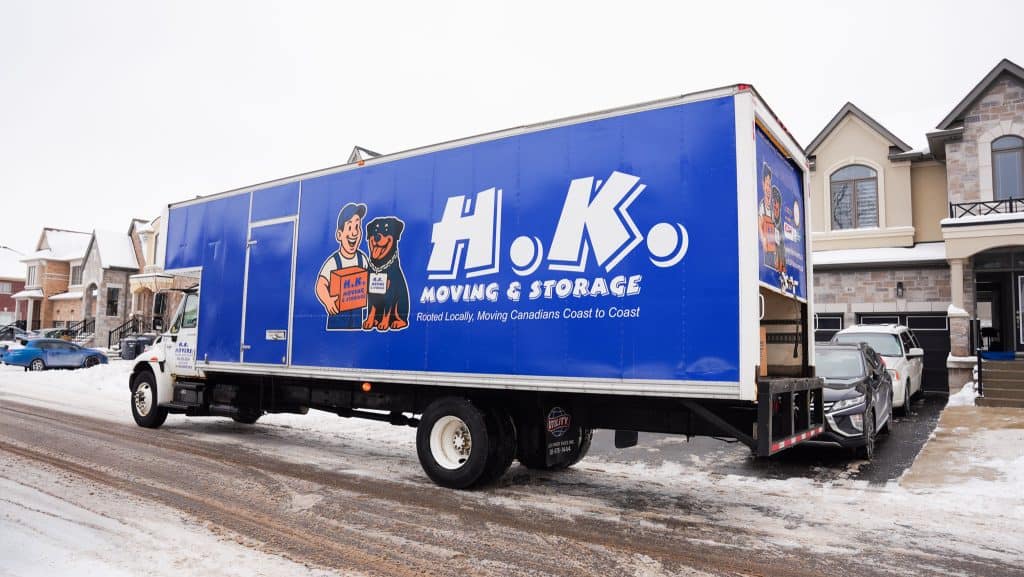
When I want a move to feel organized rather than overwhelming, I look for a team that explains the process clearly, sets honest expectations, and helps me avoid preventable problems. That is where HK Moving and Storage stands out. The experience feels steady, prepared, and respectful from the first conversation to the final box.
Services offered:
- Local moving
- Long-distance moving
- Residential moving
- Condo and apartment moving
- Packing and unpacking
- Storage solutions
- Office moving
Call +1 437-828-1689 If you are trying to line up the right plan now, this is a good time to reach out, ask direct questions, and get a FREE quote before your preferred dates disappear.