A lot of people tend to think that an apartment move will be easy because you may not have a lot of furniture. But, many times, you are still dealing with tight hallways, elevator reservations, parking restrictions and deadlines from your landlord/lease. These things can turn a seemingly easy move into a lot more work than anticipated.
Many renters do not realize the amount of time and effort it takes to plan out a successful move from one building to another. A number of these little details such as scheduling the use of the elevator or taking measurements of furniture can quickly become major stressors when they go un-noticed.
This is where this guide comes in and explains some of the realities of apartment moving in Oshawa. It includes information on what types of challenges most renters will encounter during their move, how the typical moving process works, what impacts prices associated with your move, and what mistakes can cause delays or problems with your move.
Common Challenges Renters Face in Oshawa
Apartment moves come with unique challenges compared to house relocations. Buildings operate under different rules, and timing often depends on property management policies.
Understanding these realities early can help you plan better and avoid last-minute stress.
Building Rules and Elevator Reservations
Many apartment and condo buildings require elevator bookings before moving day. Failing to reserve an elevator ahead of time can lead to unexpected delays on moving day. Movers may have to wait for access, carry items up staircases, or work within tight time restrictions set by building management.
To avoid these issues, renters should contact their property manager several days or weeks before the move and confirm:
- You may have limited access to move large items. Some buildings block freight elevators unless a reservation is confirmed.
- Moving times may be restricted. Certain buildings only allow moves during weekday hours to reduce noise and hallway congestion.
- Damage deposits may be required. Property managers sometimes request refundable deposits to cover potential wall or elevator damage.
Confirming these requirements ahead of time can prevent delays on moving day.
Parking and Loading Zones
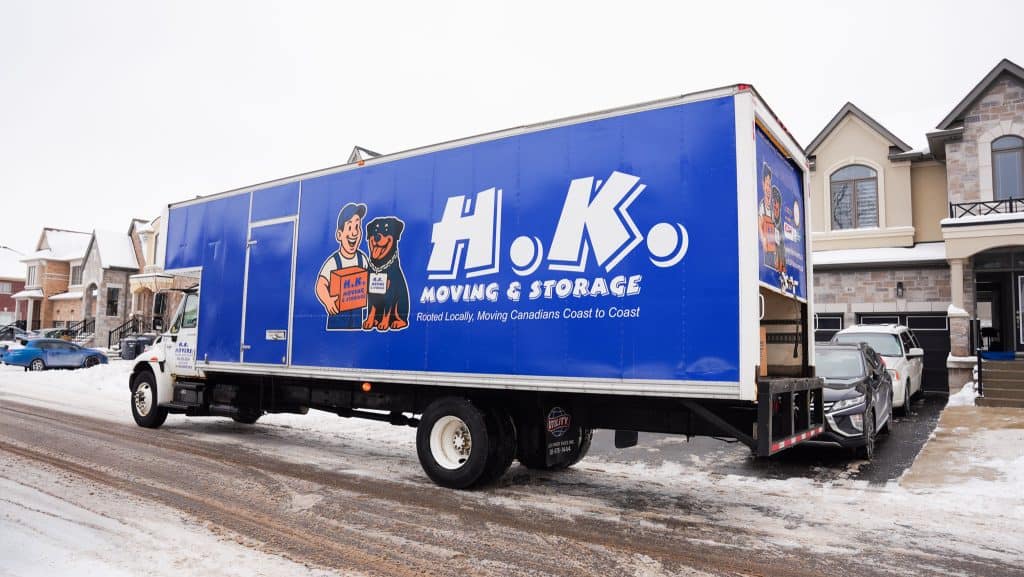
Apartment buildings often have limited loading space. Without proper planning, parking limitations can slow down the entire moving process. If the truck is parked too far from the entrance, movers may need to carry boxes and furniture longer distances, which adds time and effort to the move.
Common issues renters may encounter include:
- Restricted loading areas. Some buildings have only one loading bay shared by multiple residents.
- Street parking limitations. Busy Oshawa streets may require temporary permits or careful planning.
- Time restrictions. Certain areas only allow loading for short windows.
These factors are why renters often work with experienced local movers oshawa residents rely on for navigating tight urban spaces.
Weather and Seasonal Conditions
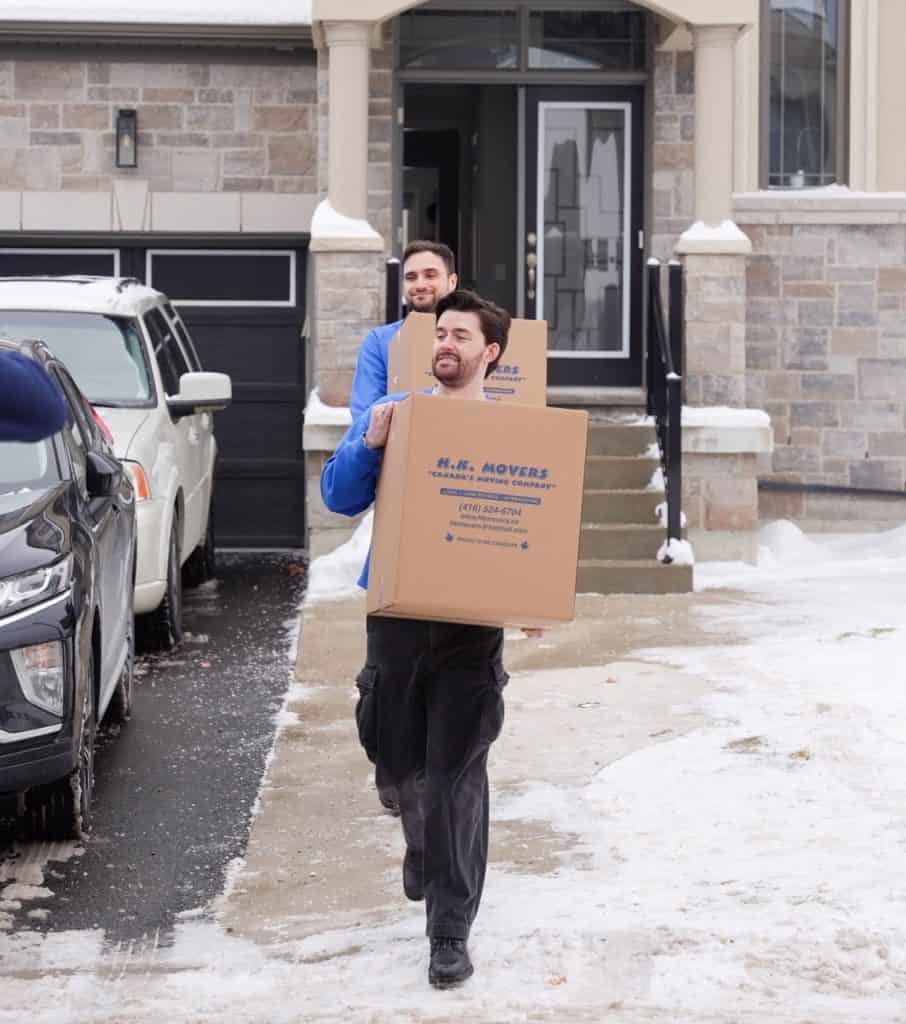
Snow, rain, and icy sidewalks can slow down moving crews and increase risks of slips or damage to belongings. Planning buffer time into your schedule helps reduce stress if weather conditions shift.
Lease Timing and Overlap
When move-out and move-in schedules are too close together, even small issues can create stress. Elevator reservations may not align, trucks could arrive earlier or later than planned, or building staff may only allow access during certain hours.
Tight lease timelines can lead to several common challenges:
- Packing becomes rushed
- Cleaning expectations may be overlooked
- Furniture transportation becomes more stressful
Giving yourself at least a few days of overlap when possible can make the entire process smoother. Before planning a move, renters may also want to review Ontario tenant rights and responsibilities to understand notice periods and lease requirements.
How to Choose the Right Moving Company
Choosing a moving company can feel overwhelming, especially if you’re relocating between apartments for the first time. Not every company offers the same level of experience, equipment, or transparency, so taking time to evaluate your options is important.
Importance of Community Involvement
- Better understanding of local buildings and neighborhoods. Companies that regularly work in the community are familiar with common apartment layouts, parking challenges, and building requirements.
- Stronger accountability. Businesses that operate locally rely heavily on their reputation. Positive relationships within the community often encourage consistent service quality.
- Long-term presence in the area. Companies that invest in the local community are more likely to maintain stable operations rather than appearing temporarily in the market.
For renters, this local connection can offer added confidence when selecting a moving team.
Local Knowledge from Oshawa Moving
- Apartment building procedures. Many buildings have strict elevator booking systems, loading zones, or move-in time restrictions.
- Traffic and route planning. Knowing the best travel routes can reduce delays and keep moving schedules on track.
- Parking and access limitations. Certain areas may require careful truck positioning or coordination with building staff.
This familiarity allows moving teams to plan ahead and handle logistical challenges more efficiently.
Premier Moving Services in Oshawa
- Packing and unpacking assistance. Professional packing can protect fragile items and reduce preparation time before moving day.
- Furniture disassembly and reassembly. Large pieces such as bed frames or dining tables may need to be carefully taken apart for transport.
- Protective wrapping for fragile items. Extra padding helps prevent damage to glass, electronics, and delicate belongings.
- Short-term storage options. Storage solutions can be useful when lease dates don’t perfectly align.
Understanding which services are available allows renters to choose the level of help that best fits their situation.
Professional and Reliable Movers
- Clear estimates and pricing explanations. Transparent quotes help renters understand what they’re paying for and avoid unexpected charges.
- Trained and organized crews. Experienced movers typically follow structured loading and handling procedures to protect furniture and boxes.
- Proper equipment and moving tools. Equipment such as dollies, straps, and protective blankets helps reduce damage risks during transport.
- Consistent communication before and during the move. Good communication ensures everyone understands the schedule and expectations.
Taking time to evaluate these qualities can help renters choose a moving company that prioritizes safety, efficiency, and reliability.
How the Moving Process Works
Many people assume moving day is the only important part of the process. In reality, the move starts well before the truck arrives. Planning, packing, scheduling building access, and preparing belongings all play an important role in making the transition smooth.
When the moving process is handled step by step, it becomes easier to:
Step 1: Planning and Scheduling
The first step is determining your moving date and confirming building requirements.
Important planning tasks include:
- Reserving elevators in both buildings
- Confirming parking availability for moving trucks
- Notifying property management about the move
- Scheduling movers early, especially during peak seasons
Professional teams such as Oshawa movers often book weeks in advance during busy months like summer.
Step 2: Packing and Preparation
Packing is one of the most time-consuming parts of any move.
Good preparation includes:
- Sorting items before packing. Donate or discard items you no longer use to reduce the number of boxes.
- Using proper packing materials. Sturdy boxes, padding, and labels prevent damage and confusion later.
- Labelling clearly by room. This speeds up unpacking and helps movers place items correctly in your new apartment.
A well-labeled box system can save hours on moving day. Using proper packing materials becomes especially important when packing fragile items for moving.
Step 3: Moving Day Logistics
On the day of the move, coordination becomes critical.
Typical moving day steps include:
- Protecting hallways and elevators when required by building management
- Loading boxes and furniture strategically into the truck
- Securing fragile items to prevent shifting during transport
- Transporting belongings safely to the new building
Professional crews often follow structured loading systems to maximize space and protect items during transit.
Step 4: Delivery and Setup
Once items arrive at the new apartment, movers unload and place them in designated rooms.
This stage includes:
- Careful navigation through hallways and elevators
- Placement of large furniture pieces first
- Organized delivery of labeled boxes
A structured unloading process helps renters settle in faster and reduces unnecessary lifting later.
Step 5: Specialized Moves for Unique Items
- Large furniture pieces. Sectional sofas, wardrobes, and bed frames may need to be disassembled to fit through narrow apartment doors or elevators.
- Fragile items. Glass tables, mirrors, artwork, and electronics typically require padding and protective wrapping to prevent breakage.
- Heavy equipment or appliances. Items like washing machines, refrigerators, or large televisions need proper lifting techniques and secure placement during transport.
- Personal valuables. Documents, jewelry, or sentimental items are often best transported personally to avoid unnecessary risk.
Identifying these items early allows the move to be planned more efficiently and helps ensure they are handled with the appropriate care on moving day.
Understanding Costs and What Affects Pricing
Understanding how pricing works helps renters plan their budget more effectively. When you know what factors contribute to moving costs, it becomes easier to compare estimates and make informed decisions without feeling surprised by additional charges later.
Clear and transparent pricing is important because it allows renters to understand exactly what they are paying for. Instead of focusing only on the total cost, it’s helpful to look at how the move will be handled, what services are included, and how long the process is expected to take.
Size of the Move
The number of items being moved directly affects the time required.
Costs may increase if:
- You have large furniture pieces such as sectionals or bed frames
- Heavy items require special handling
- Multiple truck trips are necessary
Decluttering before moving day can help reduce these costs.
Distance Between Buildings
Distance plays a major role in pricing.
For short moves within the same city, travel time is minimal. However, if the relocation involves another city, you may need services from a Long distance moving company, which typically includes different logistics and pricing structures.
Accessibility of Both Buildings
Apartment accessibility can significantly affect moving time.
Factors include:
- Elevator availability
- Floor level
- Distance between truck and entrance
- Narrow hallways or staircases
Buildings with difficult access may require more time and effort.
Time of Year
Moving demand fluctuates throughout the year.
Busy periods include:
- Summer months
- Month-end dates
- Weekends
Booking earlier during peak seasons often helps secure better availability.
Safe Storage Solutions Available
Temporary storage can help bridge this transition period and keep belongings protected while plans are finalized.
Situations where storage may be helpful include:
- Lease timing gaps. If your new apartment is not available immediately after moving out, storing belongings temporarily can prevent rushed decisions.
- Downsizing between apartments. Moving to a smaller unit may require extra time to decide what furniture or items to keep.
- Building restrictions on move-in dates. Some apartments limit move-in schedules, which may require holding items briefly before delivery.
- Protecting seasonal or infrequently used items. Items like winter gear, sports equipment, or spare furniture can be stored safely until needed.
Secure storage facilities typically provide climate control, organized inventory systems, and monitored environments to help ensure belongings remain protected while in storage.
Transparent Pricing Options
Understanding how moving costs are calculated helps renters plan their budget more effectively. Pricing for apartment moves is usually based on a combination of time, distance, and the complexity of the move.
Transparent estimates allow renters to know what to expect before the move begins.
Several factors commonly influence pricing:
- Size of the move. The number of boxes and furniture pieces affects how long loading and unloading will take.
- Building accessibility. Elevators, narrow hallways, stairs, or long walking distances from the truck can increase the time required.
- Distance between locations. Even within the same city, travel time between buildings can influence overall costs.
- Additional services requested. Packing assistance, storage, or furniture disassembly may add extra time and materials.
A clear estimate should outline the expected services and provide a realistic idea of how the move will be handled. This type of transparency helps renters avoid misunderstandings and feel more confident about the planning process.
Pros and Cons of Apartment Living in Oshawa
For renters considering moving within the city, understanding the lifestyle benefits and challenges can help with decision-making.
Advantages
- Convenient access to public transit and amenities. Many apartment buildings are located near shopping centres, transit routes, and schools.
- Lower maintenance responsibilities. Renters typically do not need to worry about landscaping or major repairs.
- Flexible living arrangements. Leasing allows easier relocation if work or lifestyle needs change.
Potential Drawbacks
- Limited space compared to houses. Storage and square footage may be restricted.
- Building rules and restrictions. Noise policies, pet regulations, and moving policies vary between properties.
- Shared facilities. Elevators, parking spaces, and laundry areas may be used by multiple residents.
Understanding these factors helps renters choose the right building for their needs.
Common Moving Mistakes Renters Should Avoid
Many moving problems happen because of small oversights. Knowing these risks ahead of time can prevent unnecessary stress.
Waiting Too Long to Book Movers
Many renters assume movers are always available.
In reality, the best oshawa movers are often booked weeks ahead during peak seasons. Scheduling early ensures better availability and smoother planning.
Forgetting to Measure Furniture
Large furniture pieces can become difficult to move through tight hallways or elevators.
Measuring doorways and furniture dimensions ahead of time prevents last-minute surprises.
Packing Without a System
Unorganized packing leads to confusion later.
Common issues include:
- Missing essential items
- Boxes placed in wrong rooms
- Fragile items packed without padding
Simple labeling systems can eliminate most of these problems.
Ignoring Building Policies
Failure to follow building rules can result in delays or penalties.
Always confirm:
- Elevator booking requirements
- Moving hour restrictions
- Parking arrangements
Property management usually provides these guidelines upon request.
Planning Tips for a Smooth Apartment Move
Planning also helps prevent common issues such as misplaced items, delayed schedules, or unnecessary last-minute packing. By approaching the move step by step, renters can stay in control of the process instead of feeling rushed or overwhelmed.
Simple planning strategies can make apartment moves far more manageable and help ensure that belongings arrive safely and efficiently at the new home.
Helpful strategies include:
- Create a moving checklist. Write down key dates, reservations, and tasks to track progress.
- Pack essential items separately. Keep documents, chargers, and toiletries in an easily accessible bag.
- Start packing early. Gradual packing prevents rushed decisions.
- Communicate with your building manager. Clear communication avoids scheduling conflicts.
Even small planning steps can make the transition much easier.
Frequently Asked Questions
How far in advance should I book movers for an apartment move?
Two to four weeks is typically recommended. During busy seasons like summer, booking earlier provides better availability.
How long does an apartment move usually take?
Most apartment moves within the same city take between three and six hours depending on the size of the move and building accessibility.
Do apartment buildings require elevator reservations?
Many buildings require reservations for freight or service elevators. Always confirm this with property management before moving day.
Is moving during the week cheaper than weekends?
Weekday moves sometimes have better availability and may reduce scheduling conflicts with other tenants.
What should I pack separately for moving day?
Important items include identification documents, medications, chargers, and basic toiletries. Keeping these in a personal bag ensures easy access.
Moving Day Should Feel Like a Fresh Start Not a Stressful One
Relocating between apartments is often a major life transition. A well-organized move can make the experience feel exciting rather than overwhelming.
Planning ahead, understanding building rules, and avoiding common mistakes can save time, money, and frustration.
When the time comes to move, having experienced professionals makes the process significantly smoother. At HK Moving and Storage, we focus on creating a moving experience that feels organized, predictable, and stress-free from start to finish.
Services we offer:
- Residential moving
- Apartment and condo moves
- Packing and unpacking assistance
- Junk Removal
- Storage solutions
- Long-distance relocation support
If you’re planning an upcoming move and want clarity before making decisions, you can reach our team at +1 437-295-7578 and request a FREE quote.
Even if you’re just exploring options, getting the right information early can make your entire move easier.