An apartment move may seem like a relatively simple task in theory; however, there are many logistical components of an apartment move that most people do not account for.
A short move does not always equate to a fast or efficient move when considering factors such as elevator bookings, loading zone availability, and/or restrictions imposed by the landlord or the landlord’s association.
The purpose of this article is to provide guidance for individuals planning to relocate their apartments. This will include information about items to anticipate before your actual move date, items to be prepared for in case problems occur during your relocation related to your apartment complex, and additional sources of potential lost time or expenses.
Why Apartment Moves Require More Coordination
Apartment relocations depend on more than boxes and trucks. In most cases, the real challenge is access. Shared spaces, limited booking windows, and property rules often matter more than the distance between addresses.
That is why apartment moves tend to reward preparation.
Building rules shape the schedule
Most apartment or condo buildings have their own moving procedures. These can include:
- Service elevator reservations You may need to reserve a time slot days or weeks in advance, especially near the end of the month.
- Move-in and move-out windows Some properties only allow moves during specific hours, which can limit flexibility.
- Forms, deposits, or approvals Management may require proof of insurance, signed forms, or a damage deposit before your move is approved.
- Loading dock instructions Certain buildings have one truck entrance, height restrictions, or limited dock access.
Shared spaces create delays if you are not prepared
Unlike a house move, apartment relocations often involve:
- Busy lobbies and entrances
- Residents using the same elevators
- Strict hallway or floor protection rules
- Limited staging space for furniture and boxes
Many people comparing movers in Toronto are really trying to find a team that knows how to work inside these building systems without losing time.
Areas Served Within Toronto
Apartment moves can vary a lot depending on where in Toronto you’re located. Downtown towers, midtown buildings, and quieter residential areas often come with very different access conditions, parking setups, and elevator procedures.
That’s why local familiarity matters. A team that regularly works across Toronto is usually better prepared for loading restrictions, narrow streets, and building-specific logistics. For you, that means fewer surprises and a smoother plan from the start. If you want a broader overview of common condo moving rules, this guide on condo moving rules can help you prepare earlier.
Apartment and Condo Moves Are Not Always the Same
Apartments and condos share similar access issues, but the day-to-day rules can still differ. A purpose-built rental building may have one process, while a privately managed condo tower may have another. If you’re moving into or out of a condo, information from the Condominium Authority of Ontario can help you understand how condo communities are governed.”
Knowing the difference helps you ask better questions before booking.
Typical differences between apartments and condos
- Condo buildings may have stricter management procedures They often require advance insurance documents, elevator padding, and tighter booking windows.
- Rental apartments may be simpler but still limited Some have fewer formal steps, but still restrict truck access, moving hours, or hallway use.
- High-rise buildings usually need more timing control Elevator delays can affect the entire schedule, especially when the move window is short.
This is one reason experienced apartment movers Toronto residents book for high-rise jobs often focus heavily on pre-move coordination.
What To Confirm Before You Book
A smoother apartment move usually starts several days before the truck arrives. Most problems can be avoided if you confirm the right details early enough.
This part of the process is simple, but it matters.
Ask your building these questions first
Before booking your movers, confirm:
- How far in advance the elevator must be reserved
- How long your booking window lasts
- Whether the elevator needs protective padding
- If truck access must be scheduled separately
- Whether any deposits or forms are required
Review parking and entry access
Do not assume the truck can stop directly outside your building.
Check:
- Where the truck can legally park
- Whether there is a loading dock or service lane
- How far the entrance is from the truck
- Whether temporary parking permits are needed
Prepare both addresses if you are moving apartment to apartment
If you are leaving one apartment and entering another, confirm:
- Elevator access at both buildings
- Move-in and move-out timing
- Any building paperwork at both ends
- How the crew should access each property
Free Pre-Move Estimates Available
A pre-move estimate gives you a clearer picture of what your apartment move may involve before moving day begins. It helps identify access challenges, truck placement concerns, furniture size issues, and time-related cost factors.
This step also makes it easier for you to compare options fairly. When an estimate is detailed and realistic, you can make decisions with more confidence instead of guessing what may or may not be included. Before booking, it can help to review official moving advice from the Government of Canada, especially on estimates and references.
If you are choosing a moving company Toronto renters use regularly, these are the kinds of questions they should raise before you have to.
How the Apartment Moving Process Usually Works
A well-run apartment move follows a clear order. When that order is planned properly, the whole day feels more manageable.
This is where process matters as much as labour.
Step 1: Pre-move estimate and review
The move usually begins with a review of:
- Your floor number and building type
- Elevator and loading access
- Furniture size and fragile items
- Parking conditions
- Move date and booking window
A strong estimate should explain not only the price, but what is included and what could affect the total.
Step 2: Preparing for your move
Once the date is set, the next step is preparation.
This usually includes:
- Confirming elevator bookings
- Organizing boxes by room
- Separating essentials you need right away
- Measuring oversized furniture if needed
- Checking with management one more time before the move
Step 3: Arrival and building setup
When the crew arrives, they usually:
- Position the truck safely
- Review the building route
- Protect hallways, floors, or elevators if required
- Confirm timing based on your booking window
Step 4: Loading and transport
At this stage, the focus is speed, protection, and organization.
That often includes:
- Wrapping furniture carefully
- Securing electronics and fragile items
- Loading heavier items first
- Monitoring the elevator window throughout the job
Step 5: Delivery and unloading
At the new place, the team typically:
- Unload by room when boxes are labeled
- Place large furniture where directed
- Reassemble selected items if included
- Complete a final walkthrough before leaving
Commitment to Staff Training
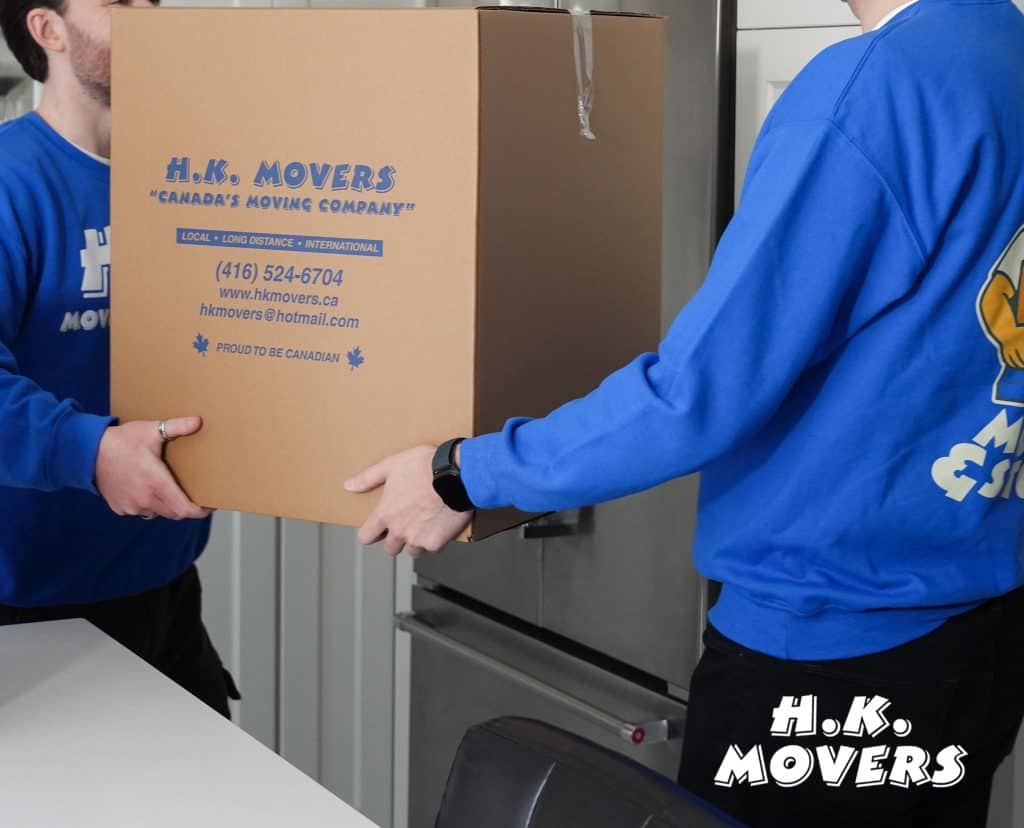
Apartment moves often involve tight spaces, shared hallways, service elevators, and strict timing. Because of that, crew training matters more than people expect. A well-trained team is usually better at handling furniture safely, working efficiently, and adapting when access conditions change.
For you, this often shows up in small but important ways. Better coordination, safer handling, and clearer communication can make the entire move feel more controlled.
Focus on Customer Experience
Apartment moves often involve tight spaces, shared hallways, service elevators, and strict timing. Because of that, crew training matters more than people expect. A well-trained team is usually better at handling furniture safely, working efficiently, and adapting when access conditions change.
For you, this often shows up in small but important ways. Better coordination, safer handling, and clearer communication can make the entire move feel more controlled.
For high-rise moves, this is where experienced condo movers Toronto residents rely on tend to stand out most. Understanding the local moving process more broadly can make apartment-specific planning easier
What Services May Help More Than You Expect
Not every apartment move needs the same level of support. But some services can save a surprising amount of time when access is tight or your schedule is narrow.
The key is knowing what actually helps your move, not just what sounds good on paper.
Packing assistance and supplies
If you are short on time, packing support may help with:
- Boxing kitchen items and fragile décor
- Supplying proper materials
- Labeling rooms more clearly
- Reducing last-minute packing stress
Furniture assembly and disassembly
This can be useful when:
- Bed frames need to be taken apart
- Large tables or desks will not fit through doors
- You want faster setup at the new place
Small move options
Not every apartment move involves a full household. Smaller moves may be a better fit when:
- You are relocating a studio or one-bedroom unit
- You are moving only selected furniture
- You are handling some boxes yourself
Same-day availability
Some schedules are tighter than others. Same-day or short-notice support can be helpful if:
- Your lease timeline changes suddenly
- Another mover cancels
- You need to move within a narrow window
Delivery Services Offered
Some apartment moves involve more than a standard load-and-unload process. You may need help coordinating delivery timing, moving selected items separately, or handling furniture drop-offs that do not happen all at once.
This kind of support can be useful if access times are limited or if your move-in schedule changes. For you, it adds flexibility without making the whole move feel disorganized.
Eco-Friendly Plastic Bin Rentals
Plastic bin rentals can be a practical option if you want a more organized and less waste-heavy move. They are sturdy, stackable, and often easier to carry through apartment hallways and elevators than weak cardboard boxes.
For apartment moves, this can also help with speed and consistency. When containers are uniform and easy to stack, loading and unloading often becomes more efficient.
Furniture Assembly Support
Large furniture pieces do not always move easily through apartment doors, elevators, or narrow hallways. In some cases, beds, tables, or shelving units need to be taken apart before loading and put back together after delivery.
Assembly support helps reduce stress on moving day because you do not have to figure that out on your own. It also makes placement easier once everything reaches your new apartment.
Storage solutions
Storage can help if:
- Your move-in date is delayed
- You are downsizing
- You need temporary space between buildings
What Usually Affects Apartment Moving Costs
Apartment moving costs are shaped by access, timing, labour, and complexity. That is why two moves with the same distance can still have very different pricing.
A clear estimate should explain these factors, not hide them.
Main cost drivers
- Elevator booking limits Short windows can put pressure on the move and increase labour intensity.
- Truck parking distance A long walk from the truck to the building entrance adds time.
- Stairs or elevator issues If service access changes on the day, labour can increase quickly.
- Furniture size and handling needs Oversized items often take more time to move through tight spaces.
- Packing condition of the move Unlabeled or poorly packed boxes slow down both loading and unloading.
- Season and date Month-end and peak-season bookings often come with tighter availability.
Payment options and estimates
Before booking, it helps to ask:
- Is the estimate hourly or flat rate?
- What is included in the written quote?
- Are stairs, long carries, or waiting time billed separately?
- What payment methods are accepted?
Understanding costs of moving in Toronto becomes much easier when the quote is detailed enough to compare fairly.
Pros and Cons of Apartment Moving
Apartment moves can be efficient, but they also come with more restrictions than many people expect. Looking at both sides helps you plan realistically.
Pros
- Smaller spaces may mean fewer items This can reduce total move volume.
- Service elevators can make access efficient When reserved properly, they help the move stay organized.
- Many moves stay within the city Short travel distance can simplify the transport side of the job.
Cons
- Schedules are often strict Limited elevator windows reduce flexibility.
- Parking can be difficult Toronto street access is not always easy for moving trucks.
- Shared spaces create timing pressure Other residents and building operations can affect the flow of the move.
Common Mistakes That Cause Delays
Most apartment moving problems are preventable. The biggest issues usually come from leaving details too late or assuming the building will be flexible.
A little extra planning protects both your time and your budget.
Mistakes to avoid
- Booking the elevator too late
- Not measuring large furniture
- Assuming truck parking will be easy
- Forgetting to ask management about moving rules
- Packing without labels
- Leaving essentials buried in boxes
- Not confirming the move time with both buildings
Who This Type of Move Is Best For
Apartment moving support is especially useful when timing, access, and shared spaces matter as much as the move itself.
This kind of help is usually a strong fit if:
- You are moving into or out of a high-rise
- You are dealing with strict building rules
- You have bulky furniture in a smaller layout
- You want fewer moving-day surprises
- You are managing a move on a workday or tight schedule
Experts in Senior Relocations
Senior relocations often involve more planning, more sensitivity, and a slower pace than standard apartment moves. In many cases, the move is tied to downsizing, family support, or a transition into a new living arrangement.
For you or your family, that usually means communication matters just as much as the physical move itself. A thoughtful, organized approach can make the transition feel far less overwhelming.
If your building has more restrictions than flexibility, organized support tends to make a bigger difference than people expect.
Practical Tips Before You Book
A few good questions before booking can help you compare options more clearly and avoid last-minute issues.
These are worth asking:
- Have you handled moves in buildings like mine before?
- What happens if the elevator runs late?
- How do you handle long carries or parking issues?
- Is furniture assembly included?
- What does the written estimate cover?
- Do you need anything from my building before the move?
Client Testimonials and Ratings
Reviews can give you useful insight before you book, especially when you’re comparing apartment moving support. They often reveal patterns in communication, punctuality, care with furniture, and how well a company handles building-related challenges.
Instead of focusing only on star ratings, it helps to read the details. For you, the most useful reviews are usually the ones that describe how the move was handled from beginning to end.
Frequently Asked Questions
How early should I reserve the elevator? As early as your building allows. Some buildings fill moving slots weeks in advance.
Do I need to arrange truck parking myself? Sometimes. It depends on the building and whether a loading zone is available.
Are apartment moves always cheaper than house moves? Not always. Tight access, parking distance, and elevator timing can increase labour time.
What if my furniture does not fit in the elevator? That should be checked early. It may need disassembly or a different moving approach.
Can I use storage if my new apartment is not ready yet? Yes, temporary storage can help bridge the gap between move-out and move-in dates.
A Better Apartment Move Starts Before the Truck Arrives
Apartment moving gets easier when the details are clear before the day begins. Once you understand the building rules, elevator process, parking setup, service options, and likely cost drivers, the move feels far less uncertain.
If I want that kind of experience, I want more than basic transport. I want a team that plans carefully, communicates clearly, and helps me avoid the avoidable problems that come with apartment and condo moves.
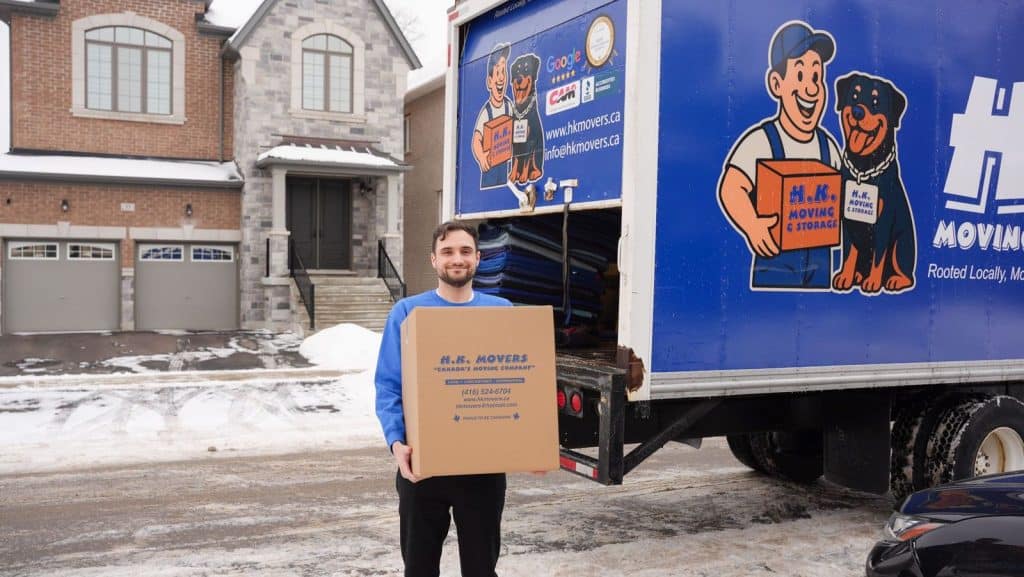
For anyone looking for that kind of support, HK Moving & Storage offers:
- Apartment and condo moving
- Local and long-distance relocations
- Packing and unpacking support
- Furniture assembly, protection, and careful handling
- Temporary storage options when needed
We serve Toronto and surrounding GTA areas, and you can reach us at +1 437-828-1632. If your moving date is getting close, requesting a FREE quote early can help me compare options with more clarity and less pressure.