A lot of people find it very stressful the first time they make a move in the GTA (Greater Toronto Area). Understanding the common factors that Toronto movers consider when handling local moves can help reduce uncertainty and make it easier to prepare with confidence. Then there are many things that may be confusing for you including timing and cost and also who has access and when and how to plan your move so knowing some common factors that local GTA movers consider when making a local move can help to reduce your stress and prepare you for your local move.
What “Local Moving” Means in the GTA
A local move usually refers to relocating within the same city or between nearby GTA communities. While the distance itself may be short, local moves in the GTA are rarely as simple as they sound. Traffic congestion, limited parking, shared driveways, and busy neighbourhoods can all affect how smoothly a move unfolds.
In many cases, local moves also involve condos or apartments with building-specific rules. Elevator bookings, restricted moving hours, and loading zone limitations are common, especially in denser areas. These factors mean that even a move just a few kilometres away still requires careful coordination and realistic time planning.
Because of these variables, local moves are typically billed based on time rather than distance. How prepared you are—how packed everything is, how accessible the building is, and how clearly details are communicated—often plays a bigger role in cost and timing than how far you’re moving.
How the Local Moving Process Usually Works
Understanding the general flow of a local move helps first-time movers feel more prepared and less uncertain about what to expect.
Initial Planning and Scheduling
The process usually begins with selecting a preferred moving date and confirming availability. At this stage, access details become important. Parking availability, loading zones, elevator reservations, and building move-in or move-out rules all need to be clarified early.
For condos and apartments, this often means coordinating with property management and securing approved time windows. Confirming these details ahead of time helps prevent delays and last-minute changes that can affect the entire schedule.
Moving Day Setup
On moving day, the crew typically arrives at the scheduled time and does a quick walkthrough of the space. This allows them to assess access points, note any fragile or oversized items, and plan the loading order.
Furniture is usually protected and loaded strategically to maximize space and reduce the risk of damage. Clear communication during this phase—such as pointing out priority items or access restrictions—helps everything move forward efficiently.
Transport and Unloading
Even when the distance is short, travel time can vary due to traffic, road construction, or busy city routes. Once the truck arrives at the new location, unloading is usually done room by room to make unpacking more organized.
Placing boxes and furniture in the correct rooms from the start saves time later and reduces unnecessary lifting. This structured approach helps keep the move organized through to the final item.
This general flow remains consistent across most GTA moving services, regardless of whether the move involves a small apartment or a larger home.
Pros and Cons of Hiring Movers for a Local Move
Pros
- Saves physical effort and time
- Reduces risk of injury or damage
- Handles logistics more efficiently
Cons
- Costs can increase if access causes delays
- Busy periods may limit availability
- Pricing varies based on preparation
Knowing both sides helps set realistic expectations.
The Ontario – Hiring a Mover Guide outlines what consumers should review before signing a moving contract.
Cost Considerations for First-Time Movers
Local moving costs are usually based on hourly rates. Factors that can affect the total include:
- Number of items being moved
- Stairs or elevator use
- Long carrying distances
- Packing or disassembly needs
Preparation often has a bigger impact on cost than distance itself.
Transparent Pricing and Services
Clear pricing helps first-time movers plan without second-guessing every decision. When services are outlined upfront—such as how time is calculated, what equipment is included, and which options are optional—it becomes easier to understand what you’re paying for. This clarity allows you to compare services more confidently and budget with fewer surprises.
Transparent explanations also help avoid misunderstandings on moving day. When expectations are aligned early, things like access delays or added handling requirements are easier to manage calmly instead of feeling unexpected.
Reliability and Trustworthiness
Reliability shows up in consistent actions rather than promises. Arriving on time, following agreed schedules, and handling belongings carefully all contribute to a smoother experience. For first-time movers especially, knowing what will happen next reduces anxiety and keeps the day moving forward.
Trustworthiness also comes from clear communication before and during the move. Movers who explain each step and respond to questions help you stay informed, which makes the process feel more controlled and less overwhelming.
If you’re still comparing options, this guide on how to pick a reliable mover in the GTA explains what to look for before booking.
Customer Satisfaction Focus
Every move comes with unique needs, whether it’s a tight timeline, access limitations, or last-minute changes. A focus on customer experience means those concerns are acknowledged rather than rushed past. Taking time to listen and offer practical solutions helps prevent small issues from becoming bigger problems.
When movers adapt to real situations and communicate openly, the overall experience feels more supportive. This approach often makes the difference between a stressful move and one that feels well-managed from start to finish.
When handling delicate belongings, this article on how to protect fragile items when moving long distance offers useful preparation tips.
Who Local Moving Is Best For
Local moving services are often a good fit for:
- First-time renters or buyers
- Condo and apartment residents
- Families relocating within the same city
- People downsizing or upsizing nearby
If your move involves access restrictions or tight timelines, professional help can simplify the process.
Planning Tips That Make a Big Difference
Small planning steps often have the biggest impact on how smoothly a local move goes. Taking care of these details early can save time, reduce stress, and help moving day stay on schedule.
For a step-by-step timeline, this local moving checklist for GTA homeowners and renters helps break planning into manageable stages.
Declutter Before Packing
Moving fewer items almost always leads to a faster and more efficient move. Going through your belongings ahead of time helps you decide what’s worth taking and what can be donated, sold, or discarded. Less clutter means fewer boxes, shorter loading times, and a simpler unpacking process at your new place.
Label Clearly
Clear labels make a noticeable difference during unloading. Mark each box with the room it belongs to and add notes for fragile items when needed. This helps movers place boxes correctly right away, reducing confusion and extra lifting once everything arrives.
Keep Essentials Separate
Certain items shouldn’t go on the moving truck. Important documents, medications, chargers, toiletries, and a change of clothes are best kept with you. Having these essentials easily accessible helps your first day in the new space feel organized rather than chaotic.
Confirm Access Details Early
Access issues are a common source of delays. Confirming elevator bookings, parking arrangements, and loading zones ahead of time helps prevent setbacks. Sharing these details with local movers in Toronto residents often work with allows the crew to plan efficiently and avoid unnecessary waiting on moving day.
Common Mistakes First-Time Movers Make
- Underestimating how long packing takes
- Forgetting to book elevators or parking
- Leaving everything for moving day
- Assuming short distance means simple
Most moving issues come from missed details, not distance.
Common Moving Questions in Toronto
How far in advance should I book a local move? Two to four weeks is usually enough, though busy times may require more notice.
Are weekday moves easier than weekends? Often yes, due to lighter traffic and better building availability.
Do movers charge for travel time? Many include travel time as part of the hourly rate.
Can I pack my own boxes? Yes. Many people pack personal items and leave heavy lifting to professionals.
Is a local move less stressful than a long-distance one? It can be, but planning is still essential for a smooth experience.
A Final Thought for First-Time Movers
Local moves in the GTA are rarely about how far you’re going. They’re shaped by coordination, timing, access, and how well everything is planned ahead of time. When you understand the process and prepare early, moving day feels far less overwhelming and much easier to manage.
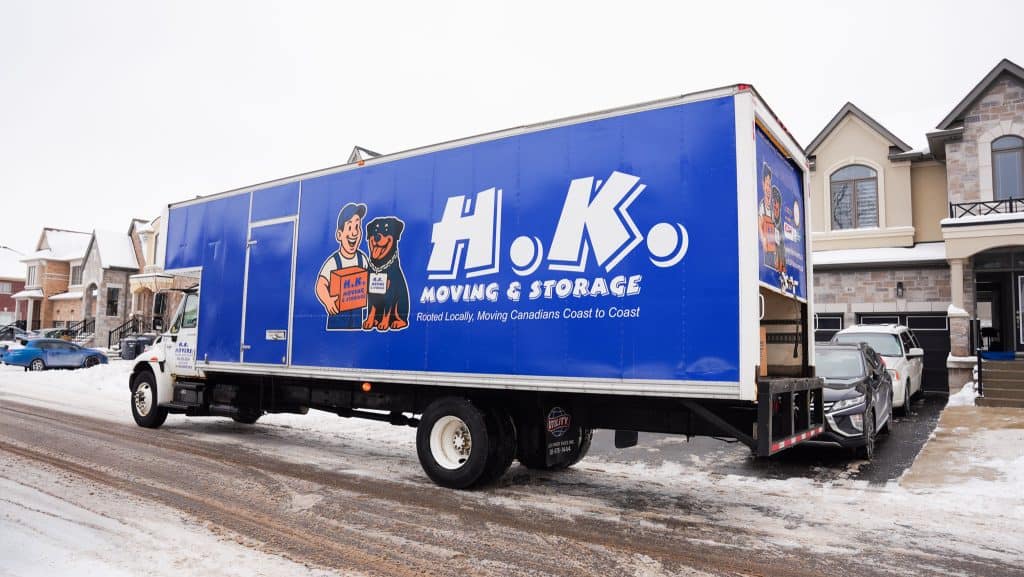
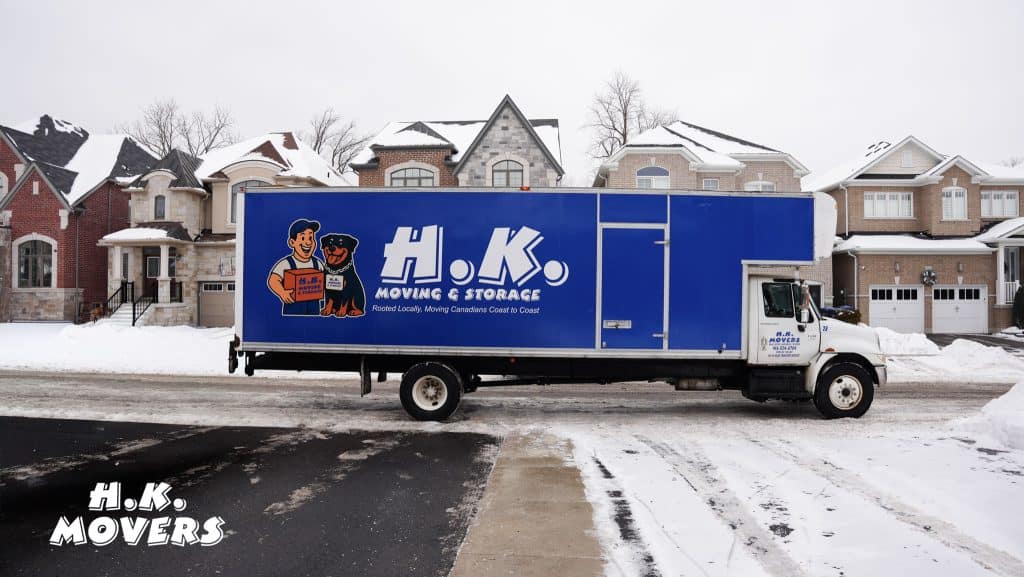
If you decide to get professional support, H.K. Movers offers reliable help for a wide range of needs. Their services include residential moving for houses, condos, and apartments, packing and unpacking assistance, furniture disassembly and reassembly, labour-only help, secure storage options, and long-distance moving. They serve Toronto, Mississauga, Brampton, Vaughan, Oakville, and surrounding GTA areas.
If your move date is approaching and availability is starting to tighten, it may help to reach out sooner rather than later. You can call (437)-828-1632 to request a FREE quote and get clear answers while you still have time to plan calmly and confidently.