When you’re planning a long distance relocation it is easy to become overwhelmed by the many things you are considering; from time to schedule an arrival for, costs associated with the move, logistics, to if your items will get damaged in transit. To add to that stress you also have to consider changes at work, in schools, or even closings on homes.
Here’s a step-by-step guide as to what you can expect when relocating from Mississauga. In addition to outlining some common problems you may encounter, we’ll outline the entire process as well as the things which impact pricing and the most frequent errors I’ve seen people commit – so you don’t fall into those same traps.
Common Challenges When Moving Out of Mississauga
Long-distance relocations involve more than packing and loading a truck. Mississauga has specific logistical and seasonal factors that can affect timing, coordination, and overall cost.
Being aware of these challenges early allows you to prepare properly instead of reacting to problems on moving day.
Here’s what many people don’t anticipate:
Condo Regulations & Elevator Bookings
Many Mississauga residents live in condos or high-rise buildings. These properties often have strict moving policies.
Common requirements include:
- Advance Elevator Reservations Most buildings require you to book a service elevator in advance. These time slots can fill up quickly, especially at the end or beginning of the month.
- Certificates of Insurance Property management may require proof that your movers carry proper liability coverage before granting elevator access.
- Time-Restricted Moving Windows Some buildings only allow moves during specific hours to minimize disruption to residents. Exceeding the time limit could result in additional fees.
- Security Deposits or Damage Fees Certain buildings collect refundable deposits to cover potential wall or elevator damage during the move.
Missing these steps can delay loading or even result in fines. It’s best to contact your building management at least 2–3 weeks before your move date to confirm all requirements.
Weather & Seasonal Timing
Mississauga weather can significantly impact long-distance moves, particularly during winter months.
Seasonal challenges may include:
- Snow and Ice Conditions Slippery surfaces increase safety risks during loading and unloading.
- Highway Delays Storm systems and road closures can extend delivery timelines.
- Extreme Temperatures Cold weather can affect certain household items, such as electronics or sensitive materials.
- Peak Summer Demand While summer offers better road conditions, it’s also the busiest season. Limited availability may affect scheduling and pricing.
Building extra time into your moving schedule helps reduce pressure if weather conditions shift unexpectedly.
Highway Distance & Route Planning
Long-distance relocations from Mississauga often involve major highway travel across provinces.
Key considerations include:
- Driver Hour Regulations Commercial drivers must follow federally regulated driving limits. This impacts how far a truck can travel each day.
- Fuel and Rest Stops Strategic planning ensures safe travel and prevents unnecessary delays.
- Delivery Windows Instead of Exact Times Because of distance and compliance rules, arrival is often scheduled within a timeframe rather than a precise hour.
- Inter-Provincial Logistics Crossing provincial borders may involve different regulations, toll routes, or permit considerations.
A structured transportation plan helps prevent last-minute surprises and ensures your belongings arrive safely and on schedule.
Understanding these challenges doesn’t mean your move will be complicated. It simply means preparation matters.
When you anticipate these factors early, the entire relocation becomes far more manageable and predictable.
Who Long-Distance Moving From Mississauga Is Best For
Before diving into logistics and pricing, it’s important to step back and consider whether professional long-distance support fits your situation.
Not every move requires the same level of coordination. Understanding who typically benefits most from structured relocation services can help you decide what approach makes the most sense for your timeline, budget, and peace of mind.
Long-distance moving services are ideal for:
- Families relocating for work
- Professionals transferring to another province
- Students moving to out-of-province universities
- Retirees downsizing and relocating
- Businesses expanding to new markets
If you value structure, safety, and predictable timelines, working with experienced teams including reputable Mississauga movers reduces the emotional and logistical burden.
Corporate Relocation Services Offered
Business relocations require a different level of coordination compared to residential moves. When companies transfer employees or relocate entire departments, timing and organization become critical.
Corporate relocations may include:
- Executive household moves
- Employee transfer programs
- Office-to-office long-distance transitions
- Temporary housing coordination
- Secure document and equipment transport
Unlike standard residential moves, business relocations often follow structured timelines set by HR departments or corporate mobility teams. Delivery windows must align with start dates, lease turnovers, or operational schedules.
How the Moving Process Works (Step-by-Step)
Understanding the process helps remove uncertainty. Here’s how a properly organized long-distance move should unfold.
1. Initial Assessment & Quote
Every long-distance move starts with understanding exactly what needs to be transported. This step sets the foundation for accurate pricing and realistic scheduling.
A detailed assessment prevents misunderstandings later and ensures both you and the moving team are aligned from the beginning.
During the initial assessment, the following should happen:
- Volume or weight of items
- Distance
- Access conditions (stairs, elevators, long carries)
- Special handling requirements
Transparency matters here. A detailed quote should outline what’s included and what isn’t.
2. Scheduling & Logistics Planning
Once the estimate is confirmed, the focus shifts from pricing to coordination. This stage is where timing, staffing, and transportation details are finalized.
Strong logistics planning reduces delays and ensures your move runs on schedule especially for long-distance relocations.
During this phase, you can expect:
- Pick-up date
- Delivery window
- Crew size
- Truck allocation
For cross-country relocations, delivery may take several days depending on distance.
3. Packing & Protection
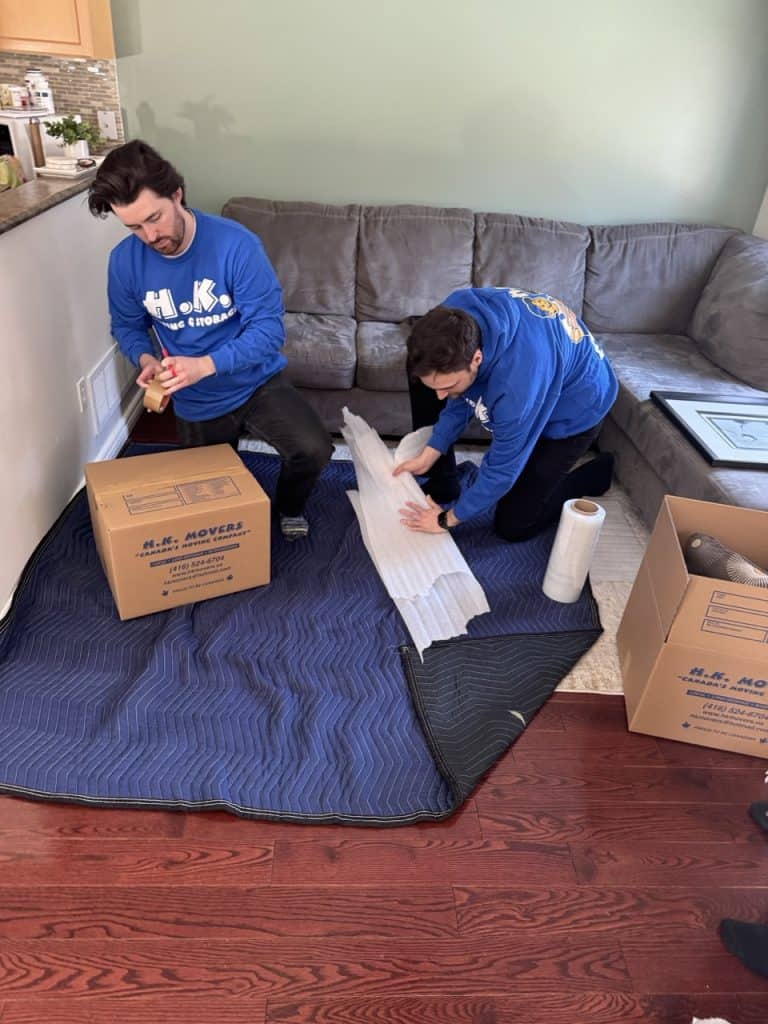
Packing isn’t just about putting items into boxes. For long-distance transport, protection must account for extended highway travel, vibration, and handling during loading and unloading.
A structured packing process reduces damage risk and keeps your belongings organized from pickup to delivery.
Here’s how proper packing and protection should work:
- Furniture padding
- Stretch wrap
- Floor protection
- Proper boxing techniques
Fragile items are wrapped individually. Large furniture is disassembled when required and reassembled at destination.
Some homeowners choose professional packing services to reduce the risk of damage during long-distance transport.
4. Loading & Transportation
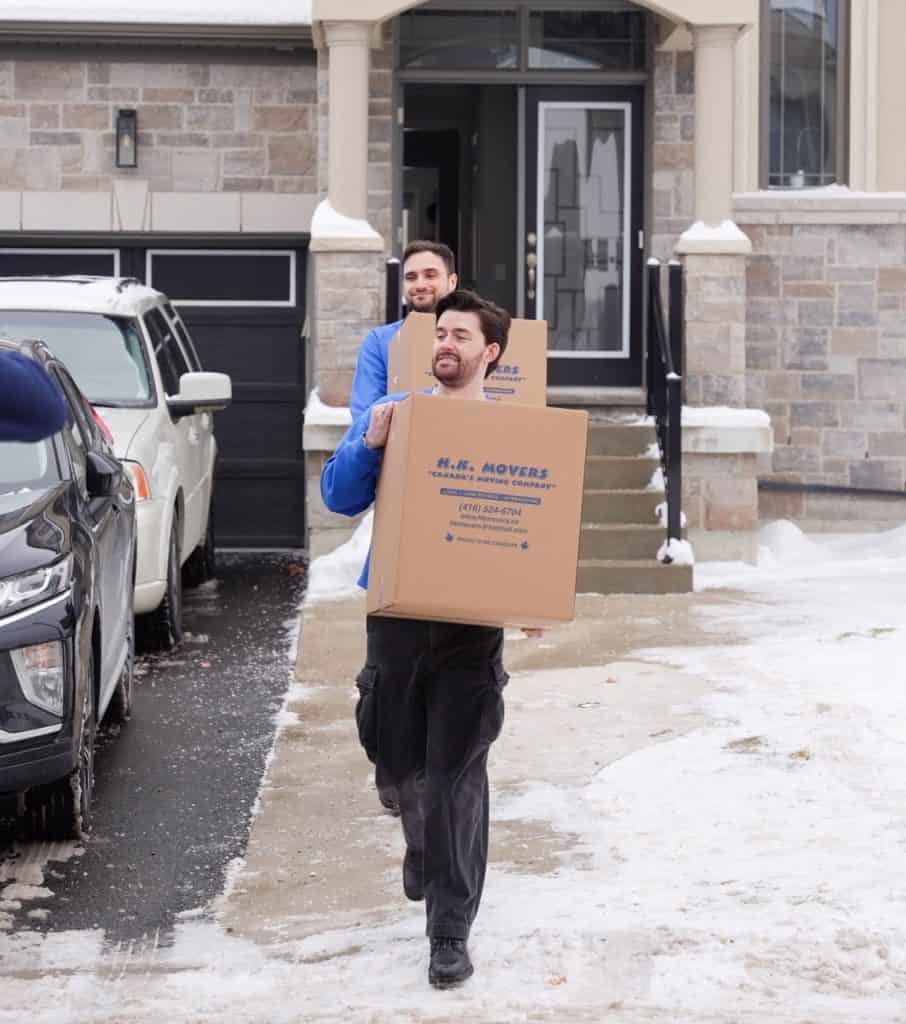
Items are loaded strategically to prevent shifting during transit. Weight distribution is carefully managed for highway safety.
Licensed drivers follow regulated driving hours to comply with federal transportation rules.
5. Delivery & Placement
Delivery is the final stage of the move but it’s not just about unloading boxes quickly. This step is where organization, communication, and attention to detail matter most.
A structured delivery process ensures your belongings arrive safely and are placed correctly so you’re not left rearranging everything yourself.
Upon arrival:
- Items are unloaded
- Furniture is placed in designated rooms
- Reassembly is completed
- Inventory is checked
A final walkthrough ensures nothing is missing or damaged.
6. Crew Size and Availability
Crew size directly affects how efficiently your move is completed. For long-distance relocations, the number of movers assigned isn’t random; it’s based on shipment size, access conditions, and timeline requirements.
A typical breakdown may look like this:
- 1–2 movers for small apartments or minimal loads
- 3–4 movers for standard homes
- 5+ movers for large houses or time-sensitive relocations
More crew members can reduce loading time, but coordination is just as important as speed. An organized team works in defined roles: one wrapping furniture, another loading strategically, another managing inventory. This structured approach prevents chaos and reduces damage risk.
7. Handling Fragile Items Safely
Fragile items require more than bubble wrap. Long-distance transport means extended highway travel, vibration, and shifting weight so protection must be deliberate and structured.
Proper handling begins during packing.
Each fragile item should be:
- Wrapped individually using cushioning materials
- Placed in reinforced boxes
- Secured with internal padding to prevent movement
- Clearly labeled for identification
Glassware, artwork, mirrors, electronics, and heirlooms each require different packing methods. For example, flat items like mirrors are protected with corner guards and cardboard framing, while dishes are packed vertically to reduce pressure impact.
Understanding Costs and What Affects Pricing
Cost is often the biggest source of stress during a long-distance move. Many people comparing estimates from different Mississauga movers worry about surprise charges or unclear pricing structures.
The key to avoiding that stress is understanding what actually influences the final cost. When you know how pricing is calculated, you can compare quotes confidently and plan your budget with realistic expectations.
Main Cost Factors
Long-distance relocation pricing is built around several measurable elements. Here’s what typically affects the final number
- Distance traveled
- Weight or volume of shipment
- Fuel costs
- Packing services requested
- Storage requirements
- Time of year (summer is peak season)
Transparent Pricing vs. Hidden Fees
Clear communication is what separates a smooth experience from a frustrating one. A reputable company should explain exactly how your estimate is structured.
A reputable provider will clearly explain:
- Whether pricing is based on weight or cubic footage
- Additional charges for stairs or long carries
- Shuttle truck fees (if large trucks can’t access your street)
- Insurance coverage options
If something feels vague, ask for clarification in writing. Clear documentation protects you.
Pros and Cons of Hiring Professionals for Long Distance Moves
Choosing how to handle a long-distance move is a practical decision. For some, hiring professionals offers structure and relief. For others, cost considerations may lead them to explore alternatives.
Looking at both the advantages and limitations helps you decide based on your priorities not just assumptions.
Pros
- Reduced physical strain
- Proper insurance coverage
- Professional packing techniques
- Organized scheduling
- Lower risk of damage
Cons
- Higher upfront cost compared to DIY
- Delivery windows instead of exact arrival times
- Scheduling may require flexibility
For many households, the time savings and stress reduction outweigh the cost difference.
Common Mistakes to Avoid
Long-distance moves don’t usually fall apart because of major disasters. They become stressful because of small oversights that build up. Being aware of common mistakes early allows you to plan smarter and reduce avoidable costs or delays.
Waiting Too Long to Book
Peak seasons fill up quickly. Booking late can limit your options or increase pricing. Peak moving season in Mississauga typically runs from late spring through early fall. During this time, availability becomes limited quickly.
Not Decluttering Before Moving
You pay based on volume or weight. Moving unnecessary items increases cost. Long-distance pricing is commonly based on weight or volume. The more you move, the more you pay.
Failing to Review Insurance Coverage
Basic coverage may not reflect full replacement value and always review options. Many people assume their belongings are fully covered without reviewing the details.
Basic liability coverage is often limited and calculated per pound per item. This may not reflect the full replacement value of higher-priced belongings such as electronics, antiques, or artwork.
Before moving day, take time to review the protection options available, since basic liability coverage may not reflect the full replacement value of your belongings. You can also learn more about consumer rights and moving insurance coverage through resources like the Federal Trade Commission.
Ignoring Building & Parking Rules
Permits may be required for truck parking in certain areas. Mississauga condos and residential areas often have specific requirements for moving trucks.
Choosing Based on Price Alone
Searching for the best movers in mississauga often leads people to compare prices only. Instead, review licensing, insurance, reviews, and written estimates before deciding.
Planning Tips for a Smoother Move
Even the most organized moving company can’t replace personal preparation. The smoother your planning phase is, the more controlled and predictable your move will feel.
Small, intentional steps taken early can prevent major stress later.
- Start planning at least 6–8 weeks ahead
- Create a moving binder for documents
- Label boxes clearly by room
- Pack essentials separately
- Confirm delivery windows one week before move date
Preparation prevents last-minute stress. When you approach your move with structure and realistic planning, the transition feels manageable, not overwhelming.
Frequently Asked Questions
How long does a long-distance move from Mississauga take?
Delivery timelines depend on destination. Nearby provinces may take a few days, while cross-country relocations can take one to two weeks.
Is pricing based on weight or volume?
It depends on the company. Always confirm which method is being used.
Do movers provide storage if my home isn’t ready?
Yes. Many companies offer short-term and long-term storage solutions.
What insurance coverage is included?
Basic liability coverage is typically included. Additional protection plans may be available for higher-value shipments.
Can I pack my own boxes?
Yes, but professional packing reduces the risk of damage during long highway transport.
Moving Across Provinces Is a Big Step Make It a Smart One
A long-distance relocation isn’t just about transporting belongings. It’s about starting the next chapter without unnecessary stress.
At HK Moving and Storage, we focus on clarity, communication, and structure. We believe people deserve honest expectations and organized execution not surprises.
We proudly serve Mississauga, Toronto, Oakville, Vaughan, Oshawa, and surrounding areas.
If you’re planning ahead and want straightforward answers, call us at +1 437-828-1690. We’re happy to provide a FREE quote and walk you through what your move would realistically look like.