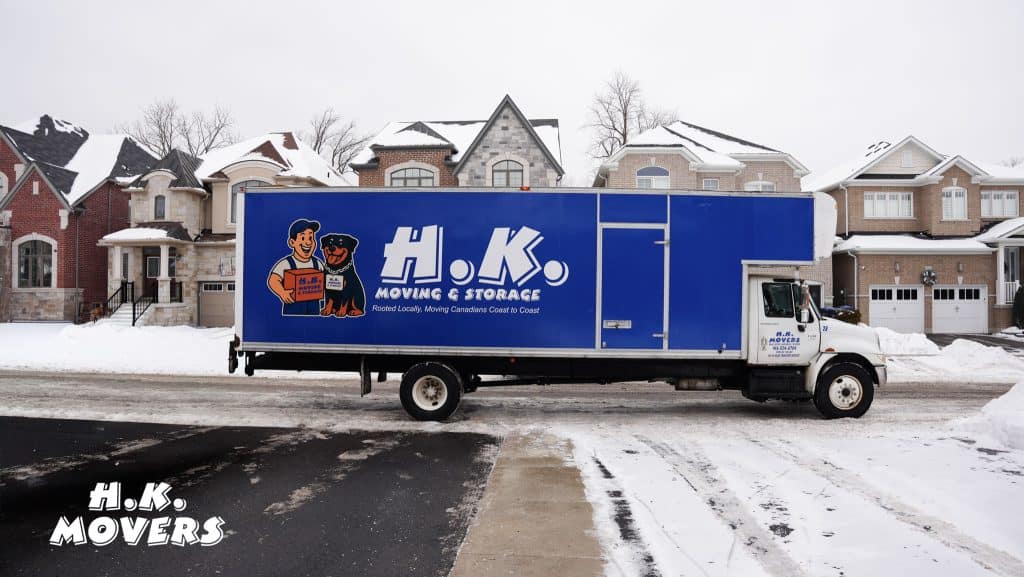
When preparing for a relocation, the cost associated with moving is likely one of the first items that will come to mind. However, as a significant part of many people’s relocation plans, it has proven itself to be an equally confusing factor. One of the largest factors affecting the cost of your relocation (timing) does not always follow predictable patterns. Similarly, price varies based upon distance of travel and amount being moved; making it difficult to predict what your relocation will truly cost.
This section of our website provides information regarding the common ways in which relocation costs affect those relocating to or within Oshawa. This includes factors that contribute to relocation costs and realistic expectations for relocation costs. In addition, we provide tips on avoiding unexpected relocation costs.
What Influences Moving Costs in Oshawa?
Moving prices are not one-size-fits-all. Several factors come together to determine the final cost, and understanding these can help you plan more accurately.
Size of Your Move
The more items you have, the more time and effort the move requires.
- Small apartments or studios usually take less time and may only need a smaller crew.
- Larger apartments or multi-room units often require more movers and longer hours.
- Heavy or bulky furniture can slow down the process and require extra handling.
Reducing the number of items before moving day can help lower overall costs.
Distance Between Locations
Distance plays a key role in how moving costs are calculated, even if you’re staying within the same city. The farther the distance between your current place and your new home, the more time, fuel, and coordination the move will require.
- Short moves may only involve minimal travel time.
- Longer moves across Oshawa or nearby areas increase fuel, time, and coordination.
If your move involves another city, pricing may be structured differently compared to local hourly rates.
Building Accessibility
Apartment buildings can significantly impact how long a move takes. Factors like elevators, stairs, long hallways, and distance from the parking area all influence how quickly items can be loaded and unloaded.
- Elevators vs. stairs can change the speed of loading and unloading.
- Long walking distances from truck to unit can add time.
- Tight hallways or limited access may slow down large furniture movement.
These details are often overlooked but can make a noticeable difference in total cost.
Time of Year and Demand
The time of year you choose to move can have a noticeable impact on both availability and pricing. Moving demand tends to increase during certain months, which can affect scheduling and how much you may end up paying.
- Summer and end-of-month dates are usually busier.
- Weekends may have higher demand compared to weekdays.
Booking during less busy times can sometimes offer better availability and smoother scheduling.
Typical Price Ranges You Can Expect
Understanding typical moving costs can help you plan your budget with more confidence. While prices can vary depending on several factors, having a general idea of what others are paying gives you a better starting point before requesting estimates.
Most Oshawa movers base their pricing on time, size of the move, and overall complexity. Knowing these average ranges can help you avoid underestimating costs and make more informed decisions as you prepare for your move.
Local Apartment Moves
Most apartment moves within the same city are priced based on the amount of time it takes to complete the job. This usually includes loading, transportation, and unloading, all calculated on an hourly basis.
Typical ranges may include:
- Studio or 1-bedroom: lower hourly range with smaller crews
- 2–3 bedroom apartments: higher hourly range depending on complexity
- Additional time factors: elevators, parking distance, and building rules
When planning your moving cost to Oshawa, it’s helpful to think in terms of time rather than a flat rate.
Additional Costs to Consider
Beyond the basic moving rate, there are additional factors that can affect your final cost. These are not always obvious at first, but they often depend on your specific situation, the services you choose, and how your move is set up.
- Packing services if you need help preparing boxes
- Special handling for fragile or oversized items
- Storage solutions if your move-in date is delayed
- Travel time or fuel charges depending on distance
Understanding these ahead of time helps you avoid surprises on moving day.
How the Moving Process Affects Pricing
The way your move is organized can directly influence the final cost. A clear process often leads to better efficiency and fewer delays.
Step 1: Planning and Booking
Booking early gives you more flexibility with scheduling.
- Securing your preferred moving date
- Coordinating building requirements
- Allowing time to prepare and pack properly
Using a moving checklist ensures nothing is missed during early planning.
Step 2: Packing and Preparation
Well-organized packing helps movers work more efficiently.
- Clearly labeled boxes reduce confusion
- Proper materials prevent damage
- Decluttering reduces the number of items moved
The more prepared you are, the smoother and faster the move tends to be.
Step 3: Moving Day Execution
On moving day, coordination matters.
- Efficient loading saves time
- Proper handling protects belongings
- Clear communication keeps everything on track
Even small delays can add up, which is why preparation plays a key role in cost control.
Step 4: Apartment and Condominium Relocation
Moving between apartments or condos comes with its own set of challenges that can directly affect how much your move costs and how long it takes. Unlike houses, these buildings often have shared spaces, strict rules, and limited access points that require more coordination.
Step 5: Specialty and High-Value Items
Some items require more care than others during a move, especially those that are fragile, valuable, or difficult to handle. These types of belongings often need extra planning, proper materials, and careful handling to ensure they arrive safely.
Pros and Cons of Hiring Movers
Before deciding whether to hire movers, it’s helpful to look at both the advantages and potential drawbacks. While professional help can make the process faster and more organized, it also comes with costs and requires some planning ahead.
Advantages
- Saves time and physical effort during the move
- Reduces risk of damage with proper equipment and handling
- More organized process compared to doing everything yourself
Potential Drawbacks
- Cost can vary depending on multiple factors
- Availability may be limited during peak seasons
- Requires planning ahead to avoid scheduling conflicts
Understanding both sides helps you make a more informed decision.
Top Customer Service Standards
- Clear and consistent communication You should know what to expect before, during, and after the move. This includes confirmed schedules, updates on arrival times, and quick responses to any questions.
- Accurate and transparent estimates A reliable team provides clear pricing details upfront so you understand how costs are calculated and what services are included.
- Respect for your time and schedule Arriving on time and working efficiently helps keep your move on track and reduces unnecessary delays.
- Careful handling of your belongings Items should be treated with attention and care, using proper equipment and techniques to minimize the risk of damage.
- Professional and approachable attitude Friendly and respectful movers can make the experience feel more comfortable, especially during what can be a stressful day.
- Problem-solving when issues arise Unexpected situations can happen, but a good team stays calm, communicates clearly, and works toward practical solutions.
Paying attention to these standards can help you choose a moving company that focuses on both efficiency and overall experience.
How to Keep Your Moving Costs Manageable
Moving doesn’t have to feel overwhelming when it comes to cost. With the right planning and a few practical decisions, you can stay within your budget without sacrificing efficiency or safety.
- Declutter before moving. Fewer items mean less time and lower costs.
- Book early. This gives you more flexibility with scheduling.
- Pack ahead of time. Avoid rushing and reduce the need for extra services.
- Confirm building details. Elevator bookings and parking access can prevent delays.
Many people looking for affordable movers oshawa options find that preparation makes the biggest difference in overall cost.
What Oshawa Is Like for Renters
Many Oshawa movers often work with renters relocating within the city because it allows people to upgrade or adjust their living space without leaving the community. Understanding what Oshawa offers can help you decide if it’s the right place to settle or stay long-term.
According to Statistics Canada housing trends, rental demand continues to shift across Ontario.
Who Oshawa Is Best For
- Students and young professionals looking for accessible housing
- Families wanting proximity to schools and amenities
- Renters seeking more space compared to larger cities nearby
Things to Consider
- Some buildings have strict moving policies
- Parking and access may vary depending on location
- Seasonal weather can affect moving conditions
Understanding these factors can help you plan your move more effectively.
Common Mistakes That Can Increase Costs
Many moving costs don’t come from the move itself, but from small oversights during the planning process. Missing key details or rushing important steps can lead to delays, extra time, and added expenses.
- Waiting too long to book movers and losing preferred time slots
- Underestimating how long packing takes
- Not checking building rules ahead of time
- Failing to measure large furniture
Avoiding these mistakes can help keep your move on schedule and within budget.
Frequently Asked Questions
When planning a move, it’s normal to have a lot of questions, especially when it comes to costs, timing, and what to expect on moving day. Even with proper planning, there are often small details that can feel unclear.
This section answers some of the most common questions renters have, helping you feel more prepared and confident before making any decisions about your move.
How much does a typical apartment move cost?
Costs usually depend on time, size of the move, and building accessibility. Smaller moves cost less, while larger or more complex moves take longer.
Are hourly rates better than flat rates?
For local moves, hourly rates are common because they reflect the actual time required.
What is the best time to move to save money?
Weekdays and mid-month dates often have lower demand compared to weekends or end-of-month moves.
Do movers charge extra for stairs or elevators?
Accessibility can affect the time required, which may influence overall pricing.
How can I reduce moving costs?
Decluttering, packing early, and planning ahead are some of the most effective ways to manage costs.
Moving Costs Should Feel Clear Not Confusing
Planning a move can feel overwhelming, especially when you’re unsure what it might cost. But when you understand how pricing works, the process becomes much easier to manage.
Taking the time to plan, prepare, and ask the right questions can make a big difference in both cost and overall experience.
At HK Moving and Storage, we focus on making your move feel organized, predictable, and stress-free from start to finish.
Here’s how we can support your move:
- Residential moving
- Apartment and condo moves
- Packing and unpacking services
- Storage solutions
- Long-distance relocation support
If you’re planning a move and want clarity before making decisions, you can reach us at +1 437-295-7578 and request a FREE quote.
Even if you’re still exploring your options, getting the right information early can make your move a lot easier.