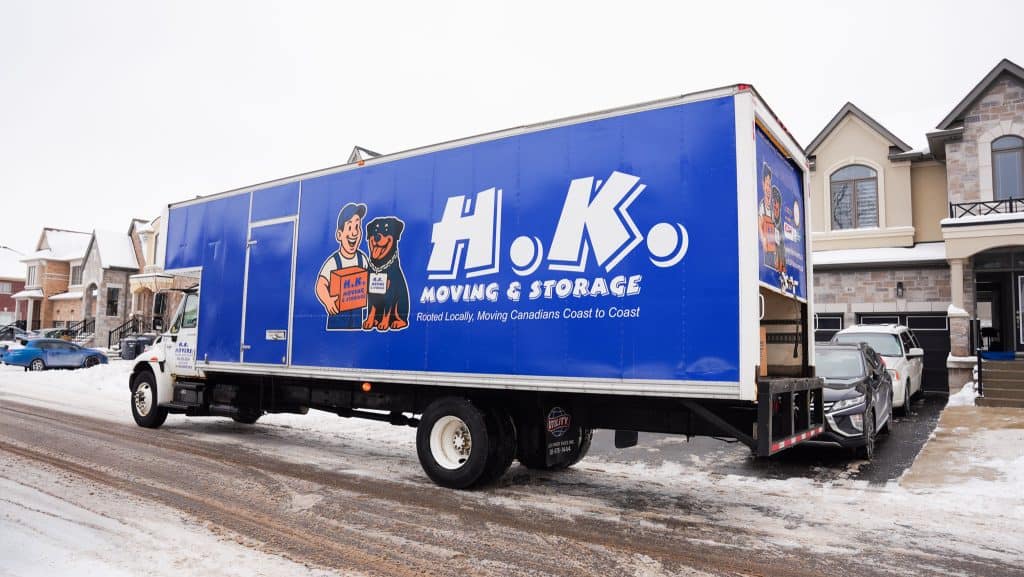
Although it may appear to be easy enough to move around in the GTA at the beginning, there are many details that add up very quickly which impact traffic patterns, building restrictions, parking restrictions, and time as well; having a clear checklist of what most Toronto movers do is an important way to remain organized and minimize the potential for last minute stress.
What Makes Local Moves in the GTA Unique
The GTA is a patchwork of neighbourhoods, condos, townhomes, and detached houses. A move that’s only a few kilometres away can still involve elevators, permits, or tight loading zones.
Planning with those realities in mind makes a noticeable difference on moving day.
Benefits of Hiring Professional Movers
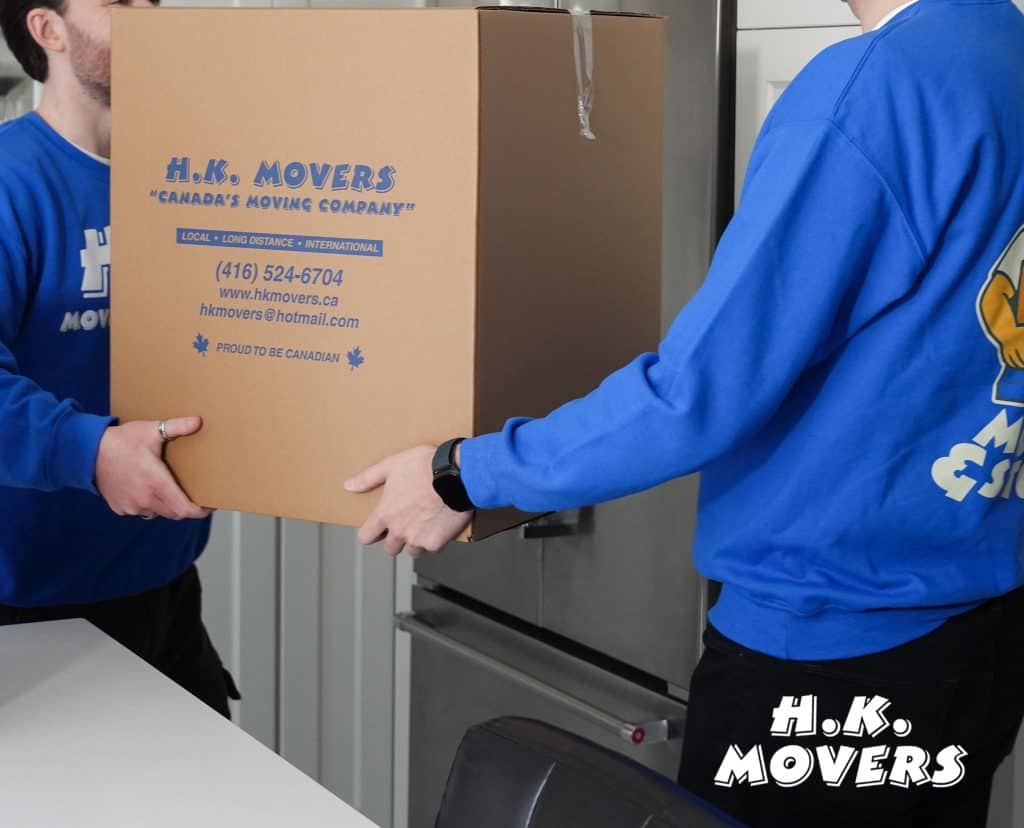
Hiring professional movers removes much of the uncertainty that comes with a local move. Instead of managing logistics, lifting heavy furniture, and coordinating timing on your own, you benefit from a process that has already been refined through experience. Movers understand how to sequence loading, protect items properly, and work within common constraints such as stairs, elevators, narrow hallways, or limited access points.
Beyond the physical work, professional movers help structure the entire moving day. They coordinate arrival times, manage loading order, and adjust when unexpected delays arise. This kind of oversight helps prevent small issues from becoming major setbacks. For many homeowners and renters, that added structure turns what could feel overwhelming into a more controlled and predictable experience.
Having a team focused solely on execution also allows you to focus on other responsibilities, such as coordinating keys, utilities, or family logistics. The overall result is less stress and a move that feels planned rather than rushed.
If you’re still comparing options, this guide on how to pick a reliable mover in the GTA outlines what to look for in terms of credentials, communication, and reliability before booking.
Transparent Pricing and Services
Clear pricing plays a major role in reducing uncertainty during a move. When costs and services are explained upfront, it becomes easier to plan without second-guessing every decision. Understanding how time is calculated, what equipment is included, and which services are optional helps you compare options with confidence.
Transparency also reduces the risk of misunderstandings on moving day. When expectations are aligned early, there are fewer surprises related to added time, access challenges, or extra services. This clarity allows you to budget more accurately and feel more comfortable committing to a plan.
Reliability and Trustworthiness
Reliability is often reflected in small but important details. Arriving on time, following agreed schedules, and handling belongings carefully all contribute to a smoother experience. When movers are consistent in these areas, it builds confidence and reduces anxiety on moving day.
Trustworthiness also comes from clear communication. Movers who explain what’s happening before and during the move help you stay informed and avoid feeling uncertain about progress. Knowing what to expect at each stage makes the day feel more manageable.
Customer Satisfaction Focus
Every move comes with questions, last-minute adjustments, or unique requests. A customer-focused approach means those concerns are addressed rather than overlooked. Taking the time to listen and explain options clearly helps create a more supportive experience.
When movers remain flexible where possible and communicate openly, the process feels less rushed and more collaborative. This focus on the customer experience often makes the difference between a stressful day and one that feels well-handled from start to finish.
A Practical Pre-Move Checklist
Having a clear timeline makes a local move far less overwhelming. Breaking tasks into smaller windows helps you stay organized and reduces the chance of forgetting something important as moving day approaches.
3–4 Weeks Before
This is the planning phase, where early decisions can save you time and stress later.
Start by setting a realistic move date and, if possible, a backup option in case plans need to shift. Early flexibility is helpful, especially during busy periods. Begin decluttering one room at a time, focusing on items you no longer use or need. This reduces what you have to pack and move. It’s also a good time to measure large furniture, doorways, stairwells, and elevators so you know what may need disassembly or special handling.
1–2 Weeks Before
This stage is all about preparation and coordination.
Confirm any parking restrictions, loading zones, or elevator bookings required at your current or new place. If you live in a building, double-check move-in and move-out rules with management. Begin packing items you won’t need right away, such as seasonal clothing, decor, or spare kitchenware. If you have children or pets, arranging time off work, childcare, or pet care now can make moving day much calmer.
2–3 Days Before
These final days are about finishing strong and setting yourself up for a smooth transition.
Aim to have most of your packing completed so you’re not rushed at the last minute. Clearly label boxes by room and note any fragile items to make unloading easier. Set aside a small group of essentials—such as documents, medications, chargers, toiletries, and a change of clothes—so they’re easy to access on your first day in the new space.
Homeowners vs Renters: What Changes?
Local moves can look very different depending on whether you’re moving from a house or a rental. Understanding these differences early helps you plan more realistically and avoid last-minute adjustments.
Homeowners
Moving from a house often means dealing with more space and more belongings. Garages, basements, sheds, and outdoor furniture all add to the total volume, which can increase packing and loading time. The upside is that houses usually offer better access, such as driveways or ground-level entry, which can make loading faster and more efficient.
Homeowners also tend to have more flexibility with timing. Without building restrictions, you can often start earlier or adjust plans if something runs behind. That said, longer preparation time is usually needed, and starting early pays off.
Renters
Renters often face tighter logistics. Apartment and condo moves typically involve building rules, limited move-in windows, and required elevator bookings. Hallways and shared spaces need to be coordinated carefully, especially in busy buildings.
While rental units may have less overall space, they still require detailed planning. Parking restrictions, long carrying distances, and shared access points can all affect how long a move takes. Clear communication and advance coordination are especially important for renters.
No matter the situation, both homeowners and renters benefit from clear timelines, confirmed access details, and realistic expectations.
Pros and Cons of Moving Locally
Moving locally comes with advantages, but it also has its own challenges that are easy to overlook.
Pros
Local moves usually involve shorter travel times, which can help keep schedules tighter and reduce overall moving hours. Costs are often lower than long-distance moves since pricing is typically based on time rather than mileage. There’s also more flexibility—if something changes, it’s often easier to adjust plans when you’re staying within the same area.
Cons
Because local moves feel simpler, people sometimes underestimate how much preparation is required. Packing, access planning, and coordination still take time. Parking restrictions, building rules, and traffic can slow things down, especially in dense areas. During busy seasons or month-end periods, availability can also become limited more quickly than expected.
Understanding both sides helps you plan smarter and approach your move with fewer surprises.
Cost Considerations to Keep in Mind
Local moves are usually priced by time rather than distance. Factors that affect the total include:
- Amount of furniture and boxes
- Stairs or elevator use
- Long carrying distances
- Packing or disassembly needs
Comparing options carefully helps you understand what’s included and avoid surprises—especially when looking at the best movers toronto residents often recommend.
According to Consumer Protection Ontario, understanding written estimates and service terms is one of the best ways to avoid unexpected moving-related charges.
Who This Checklist Is Best For
This guide is helpful if you’re:
- Moving between neighbourhoods
- Downsizing or upsizing
- Relocating within the same city
- Renting or selling a home locally
It’s designed for people who want clarity before making decisions.
Planning Tips That Save Time
Declutter Early
Moving fewer items saves time and effort.
Label With Intention
Clear labels speed up unloading and unpacking.
Keep Essentials Close
Documents, chargers, and daily items shouldn’t go on the truck.
Communicate Access Details
Sharing elevator times or parking info with local movers ahead of time prevents delays.
For items like glassware, artwork, or electronics, this article on how to protect fragile items when moving long distance shares practical steps to reduce the risk of damage during transport.
Common Mistakes to Avoid
- Waiting too long to pack
- Forgetting to check building rules
- Assuming all local moves are quick
- Leaving everything for moving day
Most issues come from rushed planning, not distance.
Common Moving Questions in Toronto
How far in advance should I plan a local move?
Two to four weeks is a good window, especially during busy seasons.
Are weekday moves easier?
Often yes. Traffic and building availability can be better.
Do I need packing help for a short move?
Not always, but it can reduce stress if time is tight.
What should I consider when budgeting for a move?
It helps to account for more than just the base moving rate. Packing supplies, time needed for loading and unloading, access restrictions, and potential delays should all be part of your budget planning.
Can I pack some items myself?
Yes. Many people handle personal items and leave heavy lifting to professionals.
Making Your Local Move Simpler From Start to Finish
Moving locally can feel straightforward, but the details often matter more than expected. Access rules, timing, and preparation tend to shape how smooth the experience actually is. When you plan ahead and understand what’s involved, moving day becomes far more manageable and far less stressful.
For those who decide to work with professionals, H.K. Movers provides dependable support for local and long-distance moves. Their services include residential moving for houses, apartments, and condos, packing and unpacking assistance, furniture disassembly and reassembly, labour-only help, and secure storage options. They serve Toronto, Mississauga, Brampton, Oakville, Vaughan, and surrounding GTA communities.
If your move is coming up and dates are starting to fill, it may help to reach out sooner rather than later. You can call +1 437-828-1632 to request a FREE quote and get clear answers while you still have time to plan calmly and confidently.